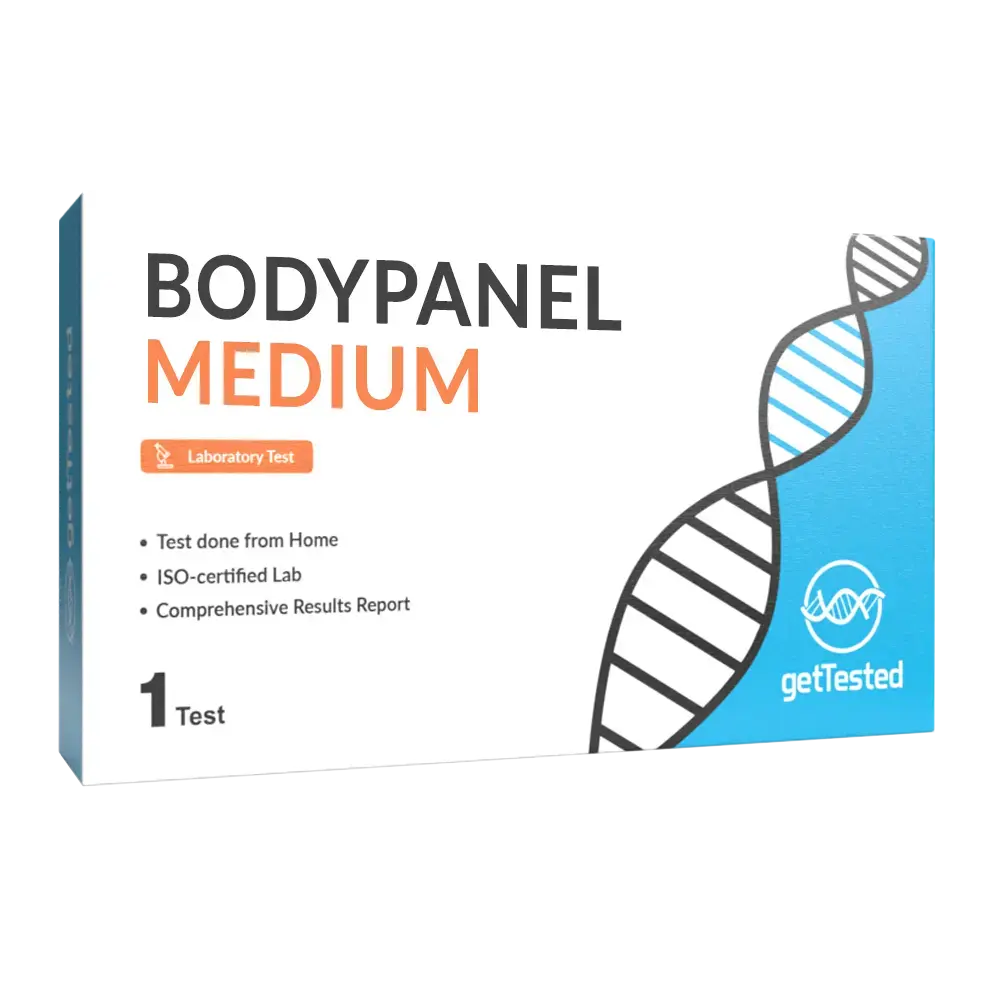
BodyPanel Medium
Analyze 36 key biomarkers including vitamins, minerals, hormones, and amino acids with BodyPanel Medium. Get professional lab results to optimize your health.
Product details: EUR 249.99 — OutOfStock — SKU WM — GetTested
About this test
Key Benefits
Broad Health Overview: Measures 40 biomarkers across nutrition, metabolism, cholesterol, hormones, fatty acids, amino acids and overall wellbeing.
Relevant for Energy and Recovery: May be useful when low energy, mood changes, poor recovery or stress related symptoms are difficult to explain.
Includes Metabolic and Lipid Markers: Provides insight into blood sugar, kidney related markers, cholesterol patterns and calculated lipid ratios.
Digital Results in 10 to 15 Business Days: Access your laboratory results online.
What This Test Measures
Nutrient Status and Deficiency Patterns
Includes vitamins, minerals and ferritin to help show whether key nutrient levels may be linked to energy, immunity, stamina, recovery, mood or general wellbeing.
Metabolism, Blood Sugar and Kidney Function
Looks at markers related to blood sugar regulation, metabolic health and kidney filtration, helping provide a clearer picture of how the body handles energy, glucose and waste clearance.
Amino Acids and Protein Metabolism
Provides insight into amino acids involved in recovery, tissue maintenance, neurotransmitter pathways, focus, physical performance and overall protein metabolism.
Fatty Acids, Omega Balance and Lipid Health
Includes fatty acids, omega 3 markers, cholesterol, triglycerides and lipid ratios to support understanding of cardiovascular health, inflammation related balance, brain function and long term metabolic health.
Hormones and Stress Balance
Provides insight into stress related and male hormone patterns that may affect energy, recovery, mood, motivation, muscle maintenance and overall wellbeing.
How It Works
1. Order Your Kit
Purchase your test online.
2. Collect Your Sample
Collect a finger prick dried blood spot sample at home using the included test kit.
3. Send It Back
Mail your sample to the laboratory using the included return materials.
4. Receive Your Results
Access your digital laboratory results online in 10 to 15 business days.
Personalized Supplements Based on Your Results
After completing BodyPanel Medium, you may have the option to order a personalized GetTested supplement formulabased on your results. This helps make supplementation more targeted and less based on guesswork.
Information for Female Customers
For women, BodyPanel Medium currently does not include testosterone or the testosterone and cortisol ratio.
ISO Certified Lab and Analysis
Your sample is analyzed in an ISO certified laboratory using the Abbott Immunoassay Platform, ICP MS and HRMSon a Multiplex Mass Spectrometry platform.
Biomarkers included
- Glucose: Glucose is the body’s primary source of energy and is especially important for brain and muscle function. Blood glucose is tightly regulated by insulin and other hormones to keep levels within a healthy range. Measuring glucose is central to evaluating metabolic health and is used in the assessment of diabetes, insulin resistance, and hypoglycemia. Persistently elevated glucose may indicate impair
- Oleic acid (OA): Oleic acid (OA) is a monounsaturated fatty acid that is the most abundant fatty acid in the human diet and adipose tissue. It is a key component of cell membranes and an important source of energy, playing a role in metabolic processes and cellular signaling. Elevated levels of oleic acid can sometimes be associated with certain metabolic conditions.
- Citrulline: Citrulline is a non-essential amino acid produced mainly by enterocytes (cells lining the small intestine) and is involved in nitrogen handling as part of the urea cycle. In the body, citrulline can also be converted into arginine, supporting pathways such as nitric oxide production. Because circulating citrulline largely reflects small-intestinal enterocyte function and mass, it is often used as
- Total Cholesterol/HDL Ratio: The total cholesterol/HDL ratio compares total cholesterol with HDL cholesterol. HDL is often referred to as “good” cholesterol because it is involved in transporting cholesterol away from tissues and back to the liver. This ratio helps show the balance between overall cholesterol and HDL cholesterol. A higher ratio may suggest a less favorable lipid pattern, while a lower ratio may indicate a mor
- Taurine: Taurine is a sulfur-containing amino acid, though not incorporated into proteins, that plays a crucial role in various physiological processes. It is vital for bile acid conjugation, osmoregulation, membrane stabilization, and neurotransmission. Its levels can indicate nutritional status, cardiovascular health, and neurological function.
- Threonine: Threonine is an essential amino acid, meaning the human body cannot produce it and it must be obtained through diet. It plays a crucial role in protein synthesis, immune function, and maintaining structural components like collagen and elastin. Imbalances in threonine levels can impact growth, metabolism, and nerve function.
- Non-HDL Cholesterol: Non HDL cholesterol represents the total amount of cholesterol carried by all cholesterol containing particles except HDL. This includes LDL cholesterol and other particles that may contribute to cholesterol buildup in blood vessels. Because it includes more cholesterol carrying particles than LDL alone, non HDL cholesterol can provide a broader view of lipid related cardiovascular risk. It may be
- Vitamin E: Vitamin E is a fat-soluble vitamin and a powerful antioxidant that protects cells from damage caused by free radicals. It is crucial for immune function, skin health, and red blood cell formation. Measuring Vitamin E levels helps assess nutritional status and antioxidant capacity.
- Testosterone: Testosterone is the primary male sex hormone, although it is also produced in smaller amounts in women. It plays a crucial role in male reproductive development, muscle mass, bone density, and sex drive. In women, testosterone contributes to libido, muscle mass, and bone health. Imbalances can lead to various issues, including decreased libido, erectile dysfunction (in men), fatigue, loss of muscl
- Kidney Filtration Rate (eGFR): Estimated glomerular filtration rate, eGFR, is a calculated marker used to assess how well the kidneys are filtering blood. It is commonly calculated from creatinine and provides insight into kidney filtration capacity. A lower eGFR may indicate reduced kidney filtration and can be relevant when evaluating kidney function over time. eGFR should be interpreted together with creatinine, age, overall
- Glutamine: Glutamine is the most abundant free amino acid in the body and is important for protein synthesis, nitrogen transport, and overall amino acid metabolism. It serves as a key fuel source for rapidly dividing cells, including immune cells and intestinal cells (enterocytes), supporting immune function and gut barrier integrity. Glutamine also participates in pathways related to acid–base balance and t
- Creatinine: Creatinine is a waste product formed in muscles from the normal breakdown of creatine. It is released into the bloodstream and filtered by the kidneys, then excreted in urine. Because creatinine levels are influenced by how efficiently the kidneys filter blood, it is commonly used to assess kidney function. Elevated creatinine may indicate reduced kidney filtration or kidney disease, while low lev
- Eicosapentaenoic acid (EPA): EPA is a long-chain omega-3 fatty acid found mainly in fatty fish and certain algae. It is incorporated into cell membranes and serves as a precursor to signaling molecules that help regulate inflammation, blood vessel function, and platelet activity. EPA status is often assessed as part of a fatty acid profile and is discussed in relation to cardiovascular health and inflammatory balance. Measure
- Copper: Copper is an essential trace mineral involved in many biological functions, including iron metabolism and red blood cell formation, connective tissue and bone development, and immune function. It serves as a cofactor for numerous enzymes and supports energy production as well as antioxidant defense systems. Both low and high copper levels can affect health, with potential impacts on neurological f
- Holotranscobalamin (B12): Holotranscobalamin (holoTC) is the biologically active form of vitamin B12, representing the fraction of B12 that is bound to transcobalamin and available for cellular uptake. It is considered a more accurate and earlier indicator of functional vitamin B12 deficiency than total serum B12, as low levels directly reflect inadequate B12 delivery to tissues. This makes it crucial for assessing B12 sta
- Atherogenic Index of Plasma (AIP): Atherogenic Index of Plasma, AIP, is a calculated marker based on the relationship between triglycerides and HDL cholesterol. It helps give insight into the balance between blood fats that may be more closely linked to cardiovascular risk patterns. A higher AIP may suggest a more unfavorable lipid pattern, while a lower AIP may indicate a more favorable balance between triglycerides and HDL choles
- Tyrosine: Tyrosine is a non-essential amino acid that serves as a building block for proteins and is crucial for synthesizing neurotransmitters like dopamine, norepinephrine, and epinephrine, as well as thyroid hormones. Its levels are important for proper brain function, mood regulation, and metabolic health. Imbalances can be indicative of metabolic disorders or nutritional deficiencies.
- Testosterone/Cortisol ratio: The Testosterone/Cortisol ratio is a crucial biomarker that reflects the balance between anabolic (tissue-building) and catabolic (tissue-breaking down) processes in the body. It indicates the body's physiological stress response and its capacity for recovery and adaptation, particularly important in contexts like athletic training, chronic stress, or overtraining syndrome.
- Vitamin A: Vitamin A is an essential fat-soluble vitamin crucial for vision, immune function, and cellular growth and differentiation. It plays a vital role in maintaining healthy skin, mucous membranes, and reproductive health. Monitoring Vitamin A levels can help identify deficiencies or excesses, both of which can lead to various health problems.
- Zinc: Zinc is an essential trace mineral crucial for numerous bodily functions, including immune system function, wound healing, DNA synthesis, and cell division. It plays a vital role in the activity of over 300 enzymes and is essential for growth and development during pregnancy, childhood, and adolescence. Maintaining adequate zinc levels is important for overall health and preventing immune deficien
- Triglycerides: Triglycerides are a type of fat (lipid) found in your blood. Your body uses triglycerides for energy, but high levels can increase your risk of heart disease and other health problems. They are primarily measured to assess cardiovascular health and metabolic risk.
- Magnesium: Magnesium is an essential mineral crucial for over 300 biochemical reactions in the body, including muscle and nerve function, blood glucose control, and blood pressure regulation. It also plays a vital role in bone health, DNA, RNA, and protein synthesis. Maintaining optimal magnesium levels is important for overall health and preventing various chronic diseases.
- Docosahexaenoic acid (DHA): DHA is a long-chain omega-3 fatty acid and a major structural component of cell membranes, particularly in the brain and retina. It supports normal brain development and function and contributes to visual health. The body can produce only small amounts of DHA from shorter-chain omega-3s, so DHA is primarily obtained through diet (for example, fatty fish and algae) or supplements. Adequate DHA stat
- Total Cholesterol: Total cholesterol is a measure of the total amount of cholesterol in your blood, including LDL (bad), HDL (good), and other lipid components. While it provides a general overview of cholesterol levels, it's important to consider the individual levels of LDL and HDL for a more complete assessment of cardiovascular risk. High total cholesterol can increase the risk of heart disease and stroke.
- Asparagine: Asparagine is a non-essential amino acid, meaning the body can synthesize it. It supports protein synthesis and plays a role in nitrogen transport and overall nitrogen balance. Asparagine is also involved in cellular metabolism through its relationship with aspartate and related amino acid pathways. Measured levels can reflect aspects of amino acid metabolism and may be influenced by diet, liver a
- Linoleic acid (LA): Linoleic acid (LA) is an essential omega-6 polyunsaturated fatty acid, meaning the body cannot produce it and it must be obtained through diet. It serves as a precursor for other important fatty acids like arachidonic acid and plays a vital role in maintaining skin barrier function, cardiovascular health, and immune responses. Monitoring LA levels can provide insights into dietary fat intake and t
- Carnitine: Carnitine is a naturally occurring compound made from amino acids that helps transport long-chain fatty acids into mitochondria, where they can be broken down for energy (beta-oxidation). It supports fat-based energy production, especially in tissues with high energy demands such as skeletal muscle and the heart. Low carnitine availability can reduce the efficiency of fatty acid metabolism and may
- HbA1c (Hemoglobin A1c): HbA1c (Hemoglobin A1c) measures the average blood glucose levels over the past 2-3 months by assessing the percentage of hemoglobin in red blood cells that is coated with sugar. It's a crucial indicator for diagnosing and monitoring diabetes, as persistently high levels denote poor long-term glucose control, increasing the risk of diabetes-related complications. This test provides a more stable an
- Proline: Proline is a non-essential amino acid, meaning the body can synthesize it, but it also comes from the diet. It plays a crucial role in collagen synthesis, a primary structural protein in connective tissues, skin, and bones. Therefore, proline levels can indirectly reflect collagen turnover and overall connective tissue health.
- Arginine: Arginine is an amino acid involved in protein synthesis and several metabolic pathways, including immune function. It is also a key precursor for nitric oxide (NO) production, a signaling molecule that helps regulate blood vessel tone and supports normal blood flow. Adequate arginine availability contributes to normal vascular function and is important for a range of physiological processes, inclu
- Tryptophan: Tryptophan is an essential amino acid, meaning the human body cannot produce it and must obtain it through diet. It serves as a precursor for crucial molecules like serotonin (a neurotransmitter regulating mood, sleep, and appetite) and melatonin (a hormone central to sleep-wake cycles). Optimal tryptophan levels are vital for neurological function, mental health, and sleep regulation.
- HDL (High-Density Lipoprotein): HDL (High-Density Lipoprotein) is a type of cholesterol often referred to as “good” cholesterol. It helps protect heart health by carrying excess cholesterol from the bloodstream to the liver, where it can be removed from the body. Higher HDL levels are associated with a lower risk of heart disease and stroke.
- Omega-3 Index: The Omega-3 Index is a measure of the percentage of EPA and DHA (the most beneficial omega-3 fatty acids) in red blood cell membranes. It reflects long-term dietary intake of omega-3s and is considered a strong predictor of cardiovascular health risk. A higher Omega-3 Index is associated with a lower risk of heart disease.
- LDL (Low-Density Lipoprotein): LDL (Low-Density Lipoprotein) is a type of cholesterol often referred to as “bad” cholesterol. It carries cholesterol particles through the bloodstream, and high levels can contribute to plaque buildup in the arteries. This buildup, known as atherosclerosis, can narrow and stiffen arteries, increasing the risk of heart disease and stroke.
- Selenium: Selenium is an essential trace mineral that plays a crucial role in antioxidant defense, thyroid hormone metabolism, and immune function. It acts as a cofactor for selenoproteins, enzymes that protect cells from oxidative damage and are vital for DNA synthesis and reproduction. Measuring selenium levels can indicate nutritional status and potential risks for various health conditions related to de
- Cortisol: Cortisol is a steroid hormone produced by the adrenal glands, known as the body's primary stress hormone. It plays a crucial role in regulating metabolism, immune response, and blood pressure, making its levels important for assessing stress response and adrenal function.
- Valine: Valine is an essential amino acid, meaning the body cannot produce it and it must be obtained through diet. It's a crucial building block for proteins and plays a vital role in muscle growth and repair, energy production, and cognitive function. As a biomarker, its levels can reflect nutritional status, protein metabolism, and may be altered in conditions like maple syrup urine disease or kidney d
- Ferritin: Ferritin is a protein that stores iron inside cells and serves as a key indicator of the body’s iron reserves. Measuring ferritin helps assess iron status: low ferritin is commonly associated with depleted iron stores and iron deficiency. Elevated ferritin can occur with iron overload, but it may also rise in response to inflammation, infection, liver disease, or other chronic conditions because f
- Vitamin D: Vitamin D is a fat-soluble vitamin crucial for calcium absorption and bone health, playing a key role in phosphorus metabolism and immune system function. Its importance extends to muscle function, nerve signaling, and reducing inflammation. Maintaining adequate vitamin D levels is vital for overall well-being and disease prevention.
- Branched amino acids: Branched-chain amino acids (BCAAs)—leucine, isoleucine, and valine—are essential amino acids that must be obtained through diet. They play important roles in protein synthesis, muscle maintenance, and energy metabolism, particularly in skeletal muscle. Measuring BCAA levels can provide insight into amino acid balance and nutritional status, and may also reflect changes in metabolism seen in certai
How to prepare
The sample should be collected in the **morning on an empty stomach.** **24 hours before testing** Avoid **alcohol, caffeine, intense exercise and smoking.** Follow the included instructions carefully before collecting your sample.
Frequently asked questions
Which analysis method is used?
The sample is analyzed at an ISO-certified laboratory using the Abbott Immunoassay Platform and advanced chemical analysis techniques, including ICP-MS (Inductively Coupled Plasma Mass Spectrometry) and HRMS (High-Resolution Mass Spectrometry) on a Multiplex Mass-Spectrometry platform.
How is BodyPanel Medium different from BodyPanel Small?
BodyPanel Medium includes additional markers, including blood sugar, kidney related markers and cholesterol related markers, giving a broader overview of metabolic and cardiovascular health.
Are all biomarkers available for women?
For women, BodyPanel Medium currently does not include testosterone or the testosterone and cortisol ratio.
Customer reviews
4.5/5 (6)
- 4/5 — Detailed breakdown of my vitamin levels. It’s a bit pricey but very comprehensive.
- 4/5 — Took about 8 days for results. Everything was well-explained though.
- 5/5 — Super simple process and the results report was very detailed.
- 5/5 — Got these results to track my B12 and Ferritin levels. Fast turnaround.
- 4/5 — Very satisfied with the comprehensive biomarker list.
- 5/5 — Super simple process and the results arrived much faster than I expected.