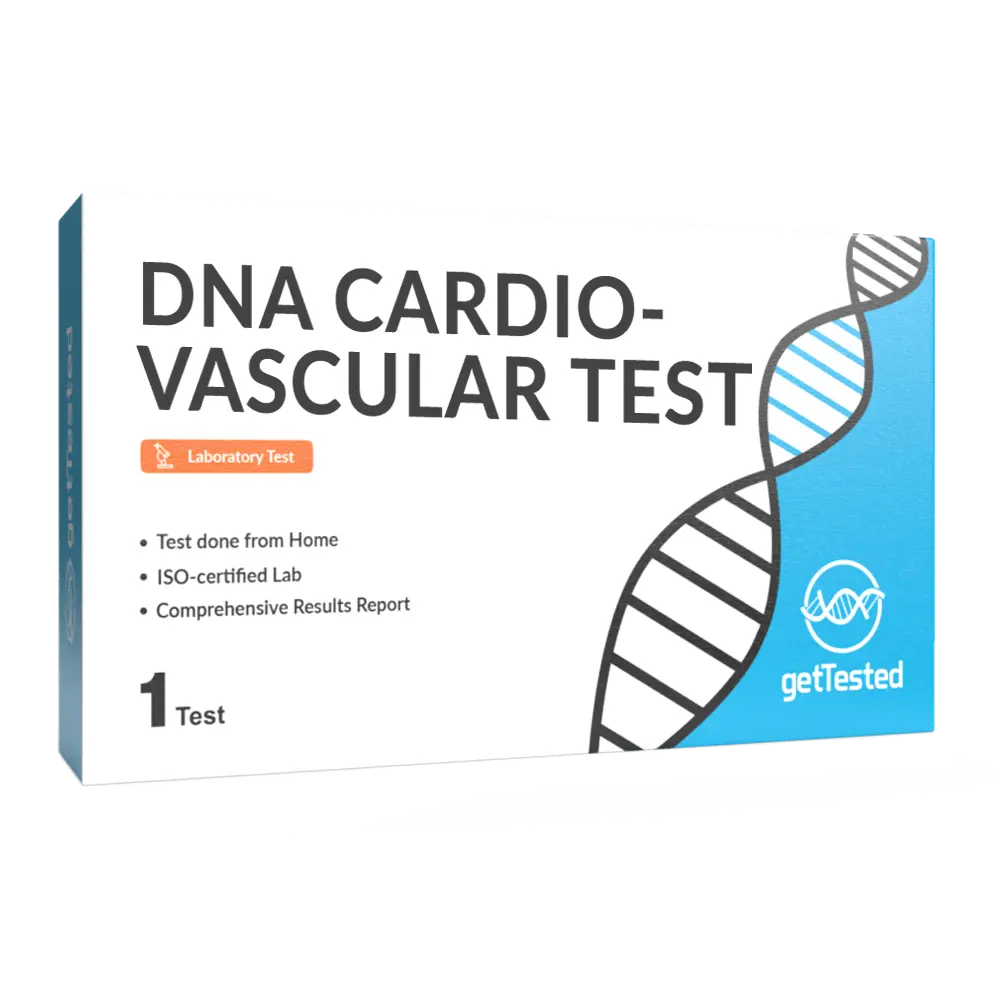
DNA Cardiovascular Health Test
Analyse genetic markers linked to heart health for personalised prevention insights. Simple home DNA test.
Product details: EUR 179.99 — InStock — SKU DNAC — GetTested
About this test
Key Benefits
Gain insight into your genetic predisposition for cardiovascular health.
Simple at-home saliva test, no clinic visit needed.
Analyze genes related to heart rate, cholesterol, and recovery.
Receive personalized recommendations based on your genetic profile.
Support better decisions for your long-term heart health.
What This Test Measures
This test analyzes multiple genetic markers linked to key cardiovascular processes, including:
Heart rate & rhythm – genes such as SCN10A, MYH6, DSP
Heart rate variability (HRV) – linked to stress and recovery
Heart rate recovery – how your body recovers after exertion
Salt sensitivity – genes such as ACE, SCNN1A
ApoB & lipid metabolism – related to cholesterol transport (APOB, APOE)
TMAO metabolism – linked to gut-heart interactions
Homocysteine metabolism – associated with cardiovascular risk markers
LDL particle size – influences cholesterol quality and risk profile
These markers provide insight into how your body may respond to factors affecting cardiovascular health.
About Cardiovascular Genetics
Your genes influence how your body regulates blood lipids, vascular function, inflammation, and recovery. While lifestyle plays a major role, genetic factors can affect how you respond to diet, exercise, and stress.
Understanding these genetic influences can help explain differences in cholesterol levels, blood pressure sensitivity, and cardiovascular resilience, and support more targeted lifestyle choices.
How It Works
Order your test kit online and collect your saliva sample at home. The sample is then sent to the laboratory for analysis. Once completed, you receive your results digitally within 3–5 weeks in a clear and easy-to-understand format.
Who Should Consider This Test
This test is suitable for individuals who want to understand their genetic risk factors for cardiovascular health, optimize their lifestyle, or gain deeper insight into cholesterol, heart function, and metabolic processes.
Saliva Sample Collection
The sample is collected using a simple saliva test at home. You provide a small sample in the collection tube, which contains a stabilizing solution to preserve the DNA during transport.
Data Security
Your DNA and sample material are destroyed after analysis. The sample is linked only to a unique test ID, ensuring full anonymity and privacy. Your results are never shared with third parties, and you can request deletion at any time.
About the Result Reports
Once your analysis is complete, you will receive three separate DNA reports based on your selected tests. These are usually delivered at the same time.
Each report is clear and easy to understand, including your genetic results, explanations, and personalized recommendations.
You will also have access to an example report. If you need help interpreting your results, our support team is available.
Please note: Reports are available in English only.
ISO-Certified Lab and Analysis
Your sample is analyzed in an ISO-certified laboratory using the Illumina GSA Microarray, a type of SNP genotyping, ensuring accurate and reliable results.
Biomarkers included
- PHACTR4: PHACTR4 (Phosphatase and Actin Regulator 4): PHACTR4 is a multifunctional protein that plays a key role in regulating cellular signaling pathways and cytoskeletal dynamics. It functions through interactions with protein phosphatase 1 (PP1) and actin filaments. PHACTR4 is involved in important cellular processes such as cell cycle progression, cell migration, and neuronal development. By modulating
- APOH: APOH (Apolipoprotein H): APOH is a multifunctional plasma protein, also known as beta-2-glycoprotein I, that plays a vital role in lipid metabolism and hemostasis. It is a key factor in antiphospholipid antibody syndrome (APS), where it helps regulate the coagulation cascade and prevent thrombosis. APOH interacts with lipoproteins, phospholipids, and coagulation factors, contributing to immune mod
- TRPS1: TRPS1 (Tricho-Rhino-Phalangeal Syndrome Type I): TRPS1 is a transcription factor that plays a key role in regulating the growth and development of bone, hair, and connective tissue. Mutations in TRPS1 lead to Tricho-Rhino-Phalangeal Syndrome, which is characterized by craniofacial and skeletal abnormalities. Understanding TRPS1’s function is important for diagnosing and managing this syndrome, wit
- SYT10: SYT10 (Synaptotagmin X): SYT10 is a member of the synaptotagmin family involved in regulating neurotransmitter release and intracellular signaling. It functions as a calcium sensor that modulates calcium-dependent exocytosis, particularly in non-neuronal tissues. SYT10 plays a key role in the release of neuropeptides and hormones in response to intracellular calcium levels. Its functions in neurot
- SLC4A4: SLC4A4 (Solute Carrier Family 4 Member 4) is a gene that encodes a sodium bicarbonate cotransporter involved in regulating acid-base balance in the body. Mainly expressed in the kidneys and pancreas, it plays a key role in bicarbonate reabsorption and pH regulation. Disruptions in SLC4A4 function can impair the body's ability to maintain acid-base homeostasis, contributing to conditions such as re
- COLEC12: COLEC12 (Collectin sub-family member 12): COLEC12 is a protein belonging to the collectin family that plays a key role in innate immunity and host defense. It contributes to the recognition and clearance of microbial pathogens by binding to specific carbohydrate patterns on their surfaces. COLEC12 is especially important in activating the lectin pathway of the complement system, promoting immune r
- NEO1: NEO1 (Neogenin 1): Neogenin 1 is a critical cell surface receptor involved in various cellular processes, including cell adhesion, migration, and axon guidance. It belongs to the immunoglobulin superfamily and plays a central role in nervous system development and the regulation of apoptosis. NEO1 functions as a receptor for netrin-1 and other ligands that control axonal growth and neuronal migrat
- TRIB1: TRIB1 (Tribbles Pseudokinase 1): TRIB1 is a gene that encodes a pseudokinase protein belonging to the Tribbles family. TRIB1 plays key roles in regulating multiple cellular signaling pathways, including those involved in growth, metabolism, and inflammation. It has been linked to lipid metabolism, cardiovascular health, and cancer, with its complex functions continuing to be an active area of rese
- ACE: ACE (Angiotensin-Converting Enzyme): ACE is a key enzyme in the Renin-Angiotensin System (RAS) that helps regulate blood pressure and fluid balance. It converts angiotensin I into angiotensin II, a powerful vasoconstrictor that affects blood vessel tone, electrolyte levels, and stimulates aldosterone release. ACE also plays important roles in heart function, kidney health, and inflammatory process
- CAV1: CAV1 (Caveolin-1): CAV1 is a key structural protein of caveolae — small invaginations in the plasma membrane present in many vertebrate cells. It plays an important role in cellular processes such as signal transduction, lipid metabolism, and endocytosis. Acting as a scaffolding protein, CAV1 regulates multiple signaling pathways, including the activity of endothelial nitric oxide synthase (eNOS),
- TNXB: TNXB (Tenascin-XB) is a member of the tenascin family of extracellular matrix proteins and plays a key role in tissue development, organization, and maintenance. It is mainly found in connective tissues, contributing to the structural integrity and elasticity of the extracellular matrix (ECM). TNXB supports cell adhesion, migration, and proliferation, impacting processes like wound healing, tissue
- FRMD4B: FRMD4B (FERM Domain Containing 4B) is a protein that links the cell membrane to the cytoskeleton, supporting key cellular processes such as signal transduction, cell shape, and migration. It helps regulate cell polarity, membrane organization, and neuronal network development. Dysregulation of FRMD4B may contribute to neurological disorders.
- CALCRL: CALCRL (Calcitonin Receptor-Like): CALCRL is a receptor that forms a key part of the calcitonin gene-related peptide (CGRP) receptor complex. It plays an important role in cardiovascular function by regulating vasodilation and helping maintain blood pressure balance.
- GIGYF1: GIGYF1 (GRB10 Interacting GYF Protein 1): GIGYF1 is an adaptor protein that plays a key role in cellular signaling pathways, especially those linked to the insulin and IGF-1 receptors. By interacting with the GRB10 protein, GIGYF1 helps regulate cell growth, differentiation, and metabolism. It is important for maintaining insulin sensitivity and glucose balance, making it relevant to metabolic con
- SCNN1A: SCNN1A (Sodium Channel Epithelial 1 Subunit Alpha): SCNN1A is a gene that encodes the alpha subunit of the epithelial sodium channel (ENaC), which regulates sodium balance and fluid homeostasis in tissues such as the lungs, kidneys, and colon. This subunit is essential for ENaC’s assembly, localization, and function, enabling sodium absorption that supports blood pressure, fluid volume, and electr
- MLXIPL: MLXIPL (MLX-Interacting Protein-Like): MLXIPL is a gene that encodes a protein involved in glucose metabolism and regulation of gene expression. It plays a role in maintaining glucose homeostasis and lipid metabolism. Mutations in MLXIPL may influence carbohydrate metabolism and contribute to related disorders.
- SOX5: SOX5 (SRY-Related HMG-Box Gene 5): SOX5 is a member of the SOX family of transcription factors that play a key role in regulating embryonic development and determining cell fate. SOX5 is involved in several biological processes, including chondrogenesis, nervous system development, and the differentiation of various cell types. It functions by binding to DNA and controlling the expression of genes
- PPIL1: PPIL1 (Peptidylprolyl Isomerase Like 1): PPIL1 is a member of the cyclophilin family of enzymes that catalyze the cis-trans isomerization of proline bonds in proteins, aiding in protein folding and assembly. This activity supports key cellular processes such as signal transduction, transcription regulation, and cell cycle control. PPIL1 contributes to maintaining cellular balance and stress respon
- TENM3: TENM3 (Teneurin-3): TENM3 is a gene that encodes a transmembrane protein from the teneurin family, which acts as a multifunctional regulator in neural development and synaptic connectivity. This protein guides axonal pathfinding, dendritic growth, and synaptic organization, playing a key role in forming and refining neural circuits. Beyond development, TENM3 also supports synaptic maintenance and
- TMPRSS4: TMPRSS4 (Transmembrane Protease, Serine 4): TMPRSS4 is a member of the transmembrane serine protease family, located on the cell surface and involved in activating proteins by cleaving peptide bonds. TMPRSS4 plays important roles in physiological and pathological processes, including cell migration, invasion, and the regulation of epithelial-mesenchymal transition (EMT), which is critical for deve
- INPPL1: INPPL1 (Inositol Polyphosphate Phosphatase-Like 1): INPPL1,also known as SHIP2 (Src Homology 2 domain-containing Inositol Phosphatase 2), is an enzyme that plays a key role in regulating phosphoinositide signaling pathways in the body. These pathways are essential for controlling cellular processes such as proliferation, survival, and migration. INPPL1 specifically removes a phosphate group from t
- KLF14: KLF14 (Krüppel-Like Factor 14): KLF14 is a transcription factor from the Krüppel-like factor family that regulates gene expression linked to key cellular processes. It plays an important role in metabolic regulation, particularly in adipocyte differentiation and lipid metabolism, affecting how the body stores and uses fats. KLF14 also contributes to glucose balance and insulin sensitivity, with dy
- RPA2: RPA2 (Replication Protein A2): RPA2 is a subunit of the Replication Protein A (RPA) complex and plays a key role in DNA replication, repair, and recombination. RPA2 helps stabilize and protect single-stranded DNA (ssDNA) during replication, preventing degradation and supporting the recruitment of other DNA repair proteins. Through these actions, it ensures an appropriate response to DNA damage and
- GRIK2: GRIK2 (Glutamate Ionotropic Receptor Kainate Type Subunit 2): GRIK2 is a key subunit of kainate receptors, which are glutamate-gated ion channels involved in excitatory neurotransmission in the central nervous system. These receptors play an important role in synaptic transmission and plasticity, impacting learning, memory, and neural development. GRIK2 is essential for regulating neuronal excitab
- TFPI2: TFPI2 (Tissue Factor Pathway Inhibitor 2): TFPI2 is a measure that reflects the activity of a key regulator in the coagulation system. TFPI2 acts as a potent inhibitor of the tissue factor (TF)-mediated blood coagulation pathway, helping to maintain hemostatic balance by preventing excessive clotting and modulating fibrinolysis. Found in the extracellular matrix (ECM), TFPI2 also contributes to ce
- POLK: POLK (DNA Polymerase Kappa): POLK is a gene that encodes a member of the Y-family DNA polymerases involved in translesion DNA synthesis. This process allows DNA replication to continue past damaged sites, such as UV-induced lesions or bulky chemical adducts. POLK helps maintain genome stability by preventing replication fork stalling but can also introduce mutations due to its error-prone nature,
- UBE2G1: UBE2G1 (Ubiquitin-conjugating Enzyme E2 G1): UBE2G1 is a member of the ubiquitin-conjugating enzyme family, playing a key role in the ubiquitin-proteasome system — a critical cellular pathway responsible for protein degradation and turnover. UBE2G1 specifically functions in attaching ubiquitin molecules to target proteins, marking them for degradation by the proteasome. This process is essential f
- MAP3K10: MAP3K10 (Mitogen-Activated Protein Kinase Kinase Kinase 10): MAP3K10 is a member of the MAP3K family, also known as MLK2 (Mixed Lineage Kinase 2). This kinase plays a key role in cellular signaling pathways that regulate cell proliferation, differentiation, and apoptosis. MAP3K10 acts as an upstream activator of the MAP kinase (MAPK) cascade, translating extracellular signals into cellular respons
- PLN: Phospholamban (PLN) is a regulatory protein found primarily in cardiac muscle cells. It plays a key role in controlling heart muscle contraction and relaxation by modulating the activity of the sarcoplasmic reticulum calcium pump (SERCA). At rest, PLN inhibits SERCA to regulate calcium levels, helping maintain calcium balance in heart cells. When stimulated, PLN is phosphorylated, which lifts this
- TMEM116: TMEM116 (Transmembrane Protein 116): TMEM116 is a gene that encodes a transmembrane protein involved in diverse cellular processes. While its specific function is still being studied, TMEM116 is thought to participate in cellular transport and signaling pathways, including membrane dynamics, vesicle trafficking, and ion channel regulation. Emerging research suggests it may contribute to cellular h
- SLC35F1: SLC35F1 (Solute Carrier Family 35 Member F1) is a gene that encodes a protein involved in transporting nucleotide sugars across cellular membranes. These sugars are essential for glycosylation — a key process that modifies proteins, affecting their folding, stability, and function. By supporting proper glycosylation, SLC35F1 plays a vital role in maintaining cellular function, immune response, and
- TOMM40: TOMM40 (Translocase of Outer Mitochondrial Membrane 40): TOMM40 is a key protein involved in mitochondrial function, specifically in importing proteins into the mitochondria. As part of the TOM complex, TOMM40 helps transport nuclear-encoded proteins across the outer mitochondrial membrane so they can carry out essential roles inside the mitochondria. Variants of TOMM40 are notably linked to Alzhe
- FANCA: FANCA (Fanconi anemia group A protein): FANCA is a gene that encodes a protein critical for the Fanconi anemia (FA) DNA repair pathway, which helps maintain genomic stability. FANCA is involved in activating the FA core complex to recognize and repair DNA interstrand crosslinks (ICLs), toxic lesions that can block DNA replication and transcription. By coordinating the assembly and recruitment of t
- APOE: APOE (Apolipoprotein E): APOE is a protein primarily produced by the liver and astrocytes in the brain that plays a key role in lipid metabolism and transport, especially in the central nervous system (CNS). It helps clear lipoproteins from circulation and redistributes cholesterol and other lipids to cells through interactions with cell surface receptors. APOE exists in three common isoforms—APOE
- PKD2L1: PKD2L1 (Polycystic Kidney Disease 2-Like 1): PKD2L1 is a transmembrane protein of the polycystic kidney disease family, mainly found in sensory neurons of the peripheral nervous system and certain epithelial cells. It plays an essential role in chemosensation and mechanosensation, especially in detecting sour taste. Acting as a non-selective cation channel, PKD2L1 enables ion influx in response to
- CLPTM1: CLPTM1 (Cleft Lip and Palate Transmembrane Protein 1): CLPTM1 is a transmembrane protein involved in key cellular processes such as cell proliferation, apoptosis, and carcinogenesis. While its exact function remains not fully defined, research indicates its potential role in cancer development and progression. CLPTM1 expression has been linked to multiple cancers, including lung, pancreatic, and o
- MMUT: MMUT (Methylmalonyl-CoA Mutase) is a gene that encodes a mitochondrial enzyme essential for energy metabolism. It catalyzes the conversion of methylmalonyl-CoA to succinyl-CoA, a key step in the breakdown of certain amino acids and fatty acids. This reaction supports the citric acid cycle and overall cellular energy production. Mutations in MMUT can lead to methylmalonic acidemia (MMA), a rare met
- TGM2: TGM2 (Transglutaminase 2): TGM2 is a multifunctional enzyme that catalyzes the cross-linking of glutamine and lysine residues in proteins, a key post-translational modification. It participates in essential cellular processes such as apoptosis, cell differentiation, and tissue repair by stabilizing and remodeling the extracellular matrix. TGM2 is implicated in various disease pathways, including n
- TRAPPC14: TRAPPC14 (Trafficking Protein Particle Complex 14): TRAPPC14 is a component of the TRAPP complex, which plays a vital role in vesicular transport within cells. This protein helps regulate trafficking between membranous organelles such as the endoplasmic reticulum, Golgi apparatus, and endosomes. TRAPPC14 is part of the cellular machinery that ensures precise delivery of cargo proteins and lipids a
- NOX4: NOX4 (NADPH oxidase 4) is an enzyme from the NADPH oxidase family that produces reactive oxygen species (ROS) within cells. Unlike other family members, NOX4 is continuously active under normal conditions. It is mainly found in the endoplasmic reticulum and plasma membrane, where it transfers electrons from NADPH to oxygen, generating superoxide radicals. The ROS produced by NOX4 act as signaling
- CHRM2: CHRM2 (Cholinergic Receptor Muscarinic 2): CHRM2 is a member of the muscarinic cholinergic receptor family, which plays a key role in mediating the effects of acetylcholine in both the central and peripheral nervous systems. This G protein-coupled receptor is involved in important physiological processes such as heart rate modulation, smooth muscle contraction, and cognitive functions. CHRM2 signi
- RHOBTB2: RHOBTB2 (Rho-related BTB domain-containing protein 2): RHOBTB2 is a gene that encodes a protein belonging to the Rho family of small GTPases, which are involved in regulating cytoskeletal dynamics, cell migration, and cell cycle progression. The additional BTB domain suggests roles in protein-protein interactions and regulatory functions beyond classical Rho signaling. RHOBTB2 may influence cell p
- RBFOX1: RBFOX1 (RNA Binding Fox-1 Homolog 1): RBFOX1 is an RNA binding protein that plays a key role in regulating alternative splicing. It influences the diversity and function of mRNA transcripts in the nervous system and skeletal muscle. By targeting a wide range of pre-mRNAs, RBFOX1 modulates splicing patterns to control gene expression important for neuronal development, synaptic function, and muscle
- APOC4: APOC4 (Apolipoprotein C-IV): APOC4 is a protein belonging to the apolipoprotein family that plays a key role in lipid metabolism and transport. It helps regulate triglyceride-rich lipoprotein particles and influences how lipoproteins interact with their receptors and lipid transfer proteins. APOC4 is found in several plasma lipoprotein fractions, including very low-density lipoproteins (VLDL) and
- SAMM50: SAMM50 (Sorting and Assembly Machinery Component 50): SAMM50 is a gene that plays a key role in mitochondrial biology. It is an essential part of the mitochondrial protein import and assembly machinery, ensuring proper localization and function of proteins within the mitochondria. By supporting these processes, SAMM50 is crucial for cellular energy production and overall mitochondrial function.
- RNF220: RNF220 (Ring Finger Protein 220): RNF220 is a gene that encodes a protein belonging to the RING finger family, characterized by a zinc finger domain that provides E3 ubiquitin ligase activity. This protein plays an important role in the ubiquitin-proteasome system, which manages protein degradation and turnover. Through its E3 ligase function, RNF220 helps regulate the stability and activity of sp
- MICAL2: MICAL2 (Molecule Interacting with CasL 2): MICAL2 is an enzyme that belongs to the MICAL family, known for regulating cytoskeletal dynamics through the oxidation of actin. MICAL2 plays a key role in controlling actin filament disassembly, which affects cell shape, migration, and intracellular transport. Its activity is essential for processes such as neurite outgrowth, axon guidance, and the maint
- RGS6: RGS6 (Regulator of G Protein Signaling 6): RGS6 is a member of the RGS family that plays a crucial role in regulating G protein-coupled receptor (GPCR) signaling pathways. It accelerates the GTPase activity of G protein α subunits, effectively turning off GPCR signaling and acting as a key modulator of signal transduction. This regulation is essential for various physiological processes, including
- MFF: MFF (Mitochondrial Fission Factor): MFF is a protein that plays a key role in mitochondrial dynamics, particularly in the process of mitochondrial fission. By recruiting dynamin-related protein 1 (Drp1) to the mitochondrial outer membrane, MFF facilitates the division of mitochondria, which is essential for proper mitochondrial distribution, quality control, and energy metabolism. This process sup
- AKR1A1: AKR1A1 (Aldo-Keto Reductase Family 1 Member A1) is a gene that encodes an enzyme involved in cellular detoxification and metabolism. It helps reduce aldehydes and ketones, contributing to the regulation of oxidative stress and the breakdown of harmful compounds. AKR1A1 also plays a role in glucose and steroid metabolism, as well as the synthesis of prostaglandins and neurotransmitters, supporting
- ABCA1: ABCA1 (ATP-binding cassette sub-family A member 1): ABCA1 is a membrane protein essential for transporting cholesterol and phospholipids from cells to lipid-poor apolipoproteins, forming nascent high-density lipoprotein (HDL) particles. This reverse cholesterol transport process helps maintain cholesterol balance and supports healthy lipid metabolism. ABCA1 is mainly expressed in the liver and in
- MYH6: MYH6 (Myosin Heavy Chain 6): MYH6 is a gene that encodes the alpha heavy chain subunit of cardiac myosin, a motor protein in the heart muscle. This protein is essential for cardiac muscle contraction, enabling the heart to pump blood effectively throughout the body. The alpha heavy chain plays a key role in atrial contraction, supporting the initial filling phase of the ventricles. Mutations in MY
- SOAT2: SOAT2 (Sterol O-Acyltransferase 2): SOAT2 is an enzyme that reflects a key step in lipid metabolism, particularly in the esterification of cholesterol. It plays a critical role in regulating cellular cholesterol levels by converting free cholesterol into cholesterol esters, which are either stored in lipid droplets or transported via lipoproteins. SOAT2 is mainly expressed in tissues involved in l
- C19ORF12: C19ORF12 (Chromosome 19 Open Reading Frame 12): C19ORF12 is a gene located on chromosome 19 that encodes a protein with a currently unclear function. This protein is believed to be involved in maintaining mitochondrial integrity and metabolism. Its importance is highlighted by its link to neurodegeneration with brain iron accumulation (NBIA), specifically mitochondrial membrane protein-associated
- LPA: LPA (Lysophosphatidic Acid): LPA is a bioactive lipid that acts as a powerful signaling molecule, influencing processes such as cell growth, movement, and survival. It signals by binding to specific G protein-coupled LPA receptors on cell membranes and is produced through the breakdown of phospholipids. Beyond its normal physiological roles, LPA is linked to conditions such as cancer, fibrosis, an
- IRS1: IRS1 (Insulin Receptor Substrate 1) is a key signaling protein that helps mediate the body’s response to insulin and growth factors. Acting as an adaptor, IRS1 connects activated insulin receptors to various downstream pathways, regulating processes like glucose uptake, glycogen synthesis, protein production, and cell growth. Dysregulation of IRS1 is linked to insulin resistance, type 2 diabetes,
- ADAM10: ADAM10 (A Disintegrin and Metalloproteinase 10) is a protein that acts as a transmembrane protease, involved in regulating cell adhesion, migration, and signaling. It functions by cleaving the extracellular parts of various cell surface proteins, such as growth factors and receptors, influencing important pathways like Notch and cadherin signaling. ADAM10 plays key roles in tissue development, cel
- GNG11: GNG11 (G Protein Subunit Gamma 11): GNG11 (G Protein Subunit Gamma 11) is a gamma subunit of heterotrimeric G proteins, which are key players in intracellular signaling pathways triggered by G protein-coupled receptors (GPCRs). GNG11 helps modulate signal transduction across cell membranes, influencing various physiological processes such as sensory perception, immune response, and cell growth. It
- SLC38A11: SLC38A11 (Solute Carrier Family 38 Member 11): SLC38A11 is a protein involved in amino acid transport and nutrient sensing. It plays a key role in regulating mTORC1 signaling, which is essential for controlling cell growth and metabolism.
- RASSF3: RASSF3 (Ras Association Domain Family Member 3): RASSF3 is a gene that encodes a tumor suppressor protein involved in regulating the cell cycle, apoptosis, and cellular senescence. It acts as a mediator in signaling pathways related to Ras proteins, which are essential for cell growth, differentiation, and survival. RASSF3 also interacts with microtubules and other cellular structures, helping mai
- PRDM6: PRDM6 (PR Domain Containing 6): PRDM6 is a member of the PRDM family of transcriptional regulators, known for its role in epigenetic modifications and gene expression regulation. It primarily acts as a transcriptional repressor, influencing cardiovascular development and other systems by modulating genes involved in cell differentiation, proliferation, and apoptosis. PRDM6 is especially important
- APOC1: APOC1 (Apolipoprotein C-I) is a protein that belongs to the apolipoprotein family, involved in lipid metabolism and transport. It is associated with very low-density (VLDL) and high-density lipoproteins (HDL), helping regulate the breakdown of triglyceride-rich lipoproteins. By inhibiting enzymes like lipoprotein lipase and hepatic lipase, APOC1 influences blood lipid levels and plays a key role i
- CCDC141: CCDC141 (Coiled-Coil Domain Containing 141): CCDC141 is a gene that encodes a protein involved in the formation and function of cilia and flagella—cellular structures essential for movement, fluid flow, and signaling. By supporting proper cilia organization, CCDC141 influences processes such as cell motility, sensory perception, and developmental signaling. Mutations in this gene have been linked
- AK9: AK9 (Adenylate Kinase 9): Adenylate is a gene that encodes an enzyme from the adenylate kinase family, which catalyzes the reversible transfer of phosphate groups between adenine nucleotides, mainly ATP and AMP. AK9 localizes to the mitochondria, where it supports energy metabolism and nucleotide balance. By facilitating ATP-AMP interconversion, it helps regulate cellular energy levels and contrib
- FHOD3: FHOD3 (Formin Homology 2 Domain Containing 3): FHOD3 is a protein belonging to the formin family, which plays a key role in organizing and regulating the actin cytoskeleton. It is especially important in cardiac muscle and other tissues, where it supports the assembly of actin filaments that affect cell shape, adhesion, and movement. FHOD3 is vital for processes like cell division, migration, and
- CAPS: CAPS (Calcium-Activated Protease Substrate): CAPS is a protein that acts as a substrate for calcium-activated proteases, playing an important role in cellular processes regulated by intracellular calcium levels. It is involved in cell migration, division, and apoptosis—key functions for tissue development and repair. CAPS helps modulate cytoskeletal dynamics and cell adhesion, which are essential
- ENPP4: ENPP4 (Ectonucleotide Pyrophosphatase/Phosphodiesterase 4): ENPP4 is a gene that encodes an enzyme from the ENPP family, involved in purinergic signaling and phosphate balance. ENPP4 acts as both a phosphodiesterase, breaking down phosphodiester bonds, and a pyrophosphatase, cleaving pyrophosphate bonds. It is primarily expressed in the kidney, liver, and brain, where it contributes to processes s
- SERINC2: SERINC2 (Serine Incorporator 2): SERINC2 is a protein from the SERINC family that facilitates the incorporation of serine into membrane lipids, supporting the biosynthesis and stability of cellular membranes. It plays key roles in maintaining membrane fluidity, regulating signaling pathways, and contributing to immune function. By influencing membrane composition, SERINC2 affects cell proliferatio
- MTHFD2: MTHFD2 (Methylenetetrahydrofolate Dehydrogenase 2): MTHFD2 is an enzyme that plays a key role in the mitochondrial one-carbon metabolic pathway. It is essential for nucleotide biosynthesis, methylation reactions, and amino acid homeostasis. MTHFD2 is highly expressed in rapidly dividing cells, including cancer cells, where it supports the production of purines and thymidylate, critical for DNA rep
- DSP: DSP (Desmoplakin) is a key protein that acts as a structural linker within cells, essential for the integrity and function of desmosomes—specialized cell-cell adhesion complexes found in epithelial and cardiac tissues. DSP plays a vital role in maintaining mechanical strength and cellular cohesion by anchoring intermediate filaments to desmosomal cadherins. This connection supports tissue stabilit
- CBS: CBS (Cystathionine beta-synthase): CBS is an enzyme essential for sulfur metabolism, playing a key role in converting homocysteine to cysteine. This process supports the production of glutathione, an important antioxidant for protecting cells against oxidative stress. CBS also participates in the transsulfuration pathway, which regulates sulfur-containing amino acids and hydrogen sulfide, a signal
- CPS1: CPS1 (Carbamoyl-phosphate synthase 1): CPS1 is a key enzyme in the urea cycle that plays a vital role in detoxifying ammonia in the body. It catalyzes the formation of carbamoyl phosphate from ammonia and bicarbonate, starting the process of urea synthesis in the liver. The urea cycle is essential for removing excess nitrogen produced from protein and amino acid breakdown, preventing toxic ammonia
- FBXL17: FBXL17 (F-Box and Leucine-Rich Repeat Protein 17): FBXL17 is a member of the F-box protein family, key components of the SCF (SKP1-cullin-F-box) complex. This complex plays a vital role in the ubiquitination and proteasomal degradation of target proteins. FBXL17 contributes to the regulation of cellular processes such as cell cycle progression, signal transduction, and transcription by recognizing
- NDUFA11: NDUFA11 (NADH:Ubiquinone Oxidoreductase Subunit A11): NDUFA11 is a gene that encodes a protein component of mitochondrial complex I, the first and largest enzyme complex in the electron transport chain. It supports complex I assembly, stability, and electron transfer from NADH to ubiquinone, helping generate the proton gradient needed for ATP production through oxidative phosphorylation. Mutations
- NLRC5: NLRC5 (NOD-Like Receptor C5): NLRC5 is a member of the NOD-like receptor family that plays a key role in the immune system. It is involved in regulating MHC class I genes, which are essential for the immune system’s ability to detect and respond to pathogens. Dysfunctions in NLRC5 can lead to immune system imbalances and have been linked to several autoimmune disorders.
- NEGR1: NEGR1 (Neuronal Growth Regulator 1): NEGR1 is a cell adhesion molecule mainly expressed in the central nervous system. It plays a key role in neuronal growth, differentiation, and synaptic plasticity, supporting the formation and maintenance of neuronal networks. NEGR1 facilitates cell-cell interactions important for communication between neurons and neural tissue structure. Its role in neurodevel
- ApoB: Apolipoprotein B (ApoB) is the main structural protein found on atherogenic (“bad” cholesterol–carrying) lipoproteins, including LDL, VLDL, IDL, and lipoprotein(a) [Lp(a)]. Each of these particles typically contains one ApoB molecule, which makes ApoB a practical measure of the total number of atherogenic particles in the bloodstream. Elevated ApoB levels indicate a higher concentration of particl
- ZDHHC20: ZDHHC20 (Zinc Finger DHHC-Type Palmitoyltransferase 20): ZDHHC20 is an enzyme belonging to the DHHC family of palmitoyltransferases. These enzymes catalyze protein palmitoylation, a post-translational modification where a fatty acid, palmitate, is attached to specific cysteine residues on target proteins. This modification regulates the proteins’ cellular localization, stability, and function. ZDH
- Grain: Grain intolerance is a condition that reflects the body’s reduced ability to digest certain types of grains. Unlike grain allergies, which trigger an immune response and may cause severe reactions, grain intolerance mainly affects the digestive system. Symptoms often appear after consuming grain-based foods and can include bloating, gas, and abdominal discomfort.
- IFNK: IFNK (Interferon kappa): IFNK is a cytokine belonging to the interferon family that plays a key role in regulating immune responses, especially in skin and mucosal immunity. It helps modulate inflammation and antiviral defenses by interacting with specific receptors on target cells. IFNK is mainly expressed in epithelial tissues, where it supports defense against viruses, bacteria, and other patho
- PAX2: PAX2 (Paired Box Gene 2): PAX2 is a key transcription factor in the paired box gene family that plays an essential role in the development of the kidneys and urinary tract. It functions early in embryonic stages to regulate tissue and organ formation, guiding the development of the renal system, eye, ear, and central nervous system. By controlling cell proliferation, differentiation, and apoptosis
- PLTP: PLTP (Phospholipid Transfer Protein): PLTP is a protein that plays a key role in lipid metabolism and transport in the body. It facilitates the transfer of phospholipids between different lipoprotein particles, helping to regulate their composition and function. PLTP is important for maintaining plasma lipoprotein balance, influencing the size, composition, and functionality of HDL and LDL particl
- SCN10A: SCN10A (Sodium Voltage-Gated Channel Alpha Subunit 10): SCN10A is a gene that encodes a member of the voltage-gated sodium channel family, which is essential for initiating and propagating action potentials in neurons and other excitable cells. This channel is primarily expressed in peripheral sensory neurons and plays a key role in pain sensation and nociception. Changes in SCN10A function or exp
- ANGPTL4: ANGPTL4 (Angiopoietin-Like 4): ANGPTL4 is a multifunctional protein that plays key roles in regulating lipid metabolism, blood vessel formation (angiogenesis), and inflammation. It influences these processes by inhibiting lipoprotein lipase (LPL) activity, which raises plasma triglyceride levels, and by limiting endothelial cell migration and tube formation, affecting vascular growth and remodelin
- ALDH1A2: ALDH1A2 (Aldehyde Dehydrogenase 1 Family Member A2): ALDH1A2 is an enzyme in the aldehyde dehydrogenase family that catalyzes the oxidation of retinaldehyde to retinoic acid, the active form of vitamin A. This conversion is essential for developmental processes such as embryogenesis, tissue patterning, and organ formation, as it regulates gene expression and cell differentiation through retinoic a
- GTPBP10: GTPBP10 (GTP-binding protein 10) is a gene that encodes a protein involved in cellular regulation through interactions with guanine nucleotides. As a member of the GTP-binding protein family, GTPBP10 is associated with processes such as protein synthesis, ribosome assembly, and mitochondrial function. Although its exact roles are still being studied, it may contribute to GTPase activity and play a
- MYH11: MYH11 (Myosin Heavy Chain 11): MYH11 is a gene that encodes a smooth muscle myosin heavy chain, a vital part of the contractile machinery in smooth muscle cells. This protein is essential for smooth muscle contraction and relaxation, supporting key functions like vascular regulation, gastrointestinal movement, and respiratory activity. MYH11 helps maintain the structure and function of smooth musc
- PVR: PVR (Poliovirus Receptor): PVR is a transmembrane glycoprotein that functions as a receptor for poliovirus and related enteroviruses, facilitating viral entry and infection. Beyond its role in viral recognition, PVR is essential for cell-cell adhesion, immune regulation, and tissue homeostasis. It contributes to the integrity of epithelial and endothelial barriers through its involvement in adhere
How to prepare
You take the test on an empty stomach in the morning. **24 hours before:** Avoid alcohol, caffeine, nicotine, and intense exercise. **30 minutes before:** Don’t brush teeth, drink, eat, smoke or chew gum.
Frequently asked questions
Which analysis method is used?
The sample is analysed at an ISO-certified laboratory using the Illumina GSA Microarray, a genomic analysis method used to assess a large number of genetic variants across the genome.
How does it work? / When do I get my results?
1. Order and receive your kit. 2. Perform the test. 3. Send a sample at the beginning of the week (to avoid delays). 4. Results digitally in 3–5 weeks
How can these results improve my heart health?
This test provides a snapshot of your genetic predispositions. While your DNA does not change, these insights allow you to make permanent lifestyle and dietary adjustments to mitigate hereditary risks and support long-term heart health.
Is return shipping to the lab included in the price?
Yes. The cost of the test includes the collection kit, the return shipping of your sample to the lab and the laboratory analysis of 100 genes.
Can I receive the raw data from my test?
No. We provide your results in a comprehensive report with the relevant values and interpretations. We do not provide the raw laboratory data.
Customer reviews
4.6/5 (5)
- 5/5 — very cool to know. I liked it, will probably get the upgrade too now!
- 4/5 — Took 7 weeks for results but the heart rate recovery info is solid.
- 4/5 — The ApoB and Homocysteine markers were very informative for my fitness plan. Kit was simple to use.
- 5/5 — Worth the wait for the salt sensitivity data.
- 5/5 — Clear instructions and easy collection.