Glyphosate Test
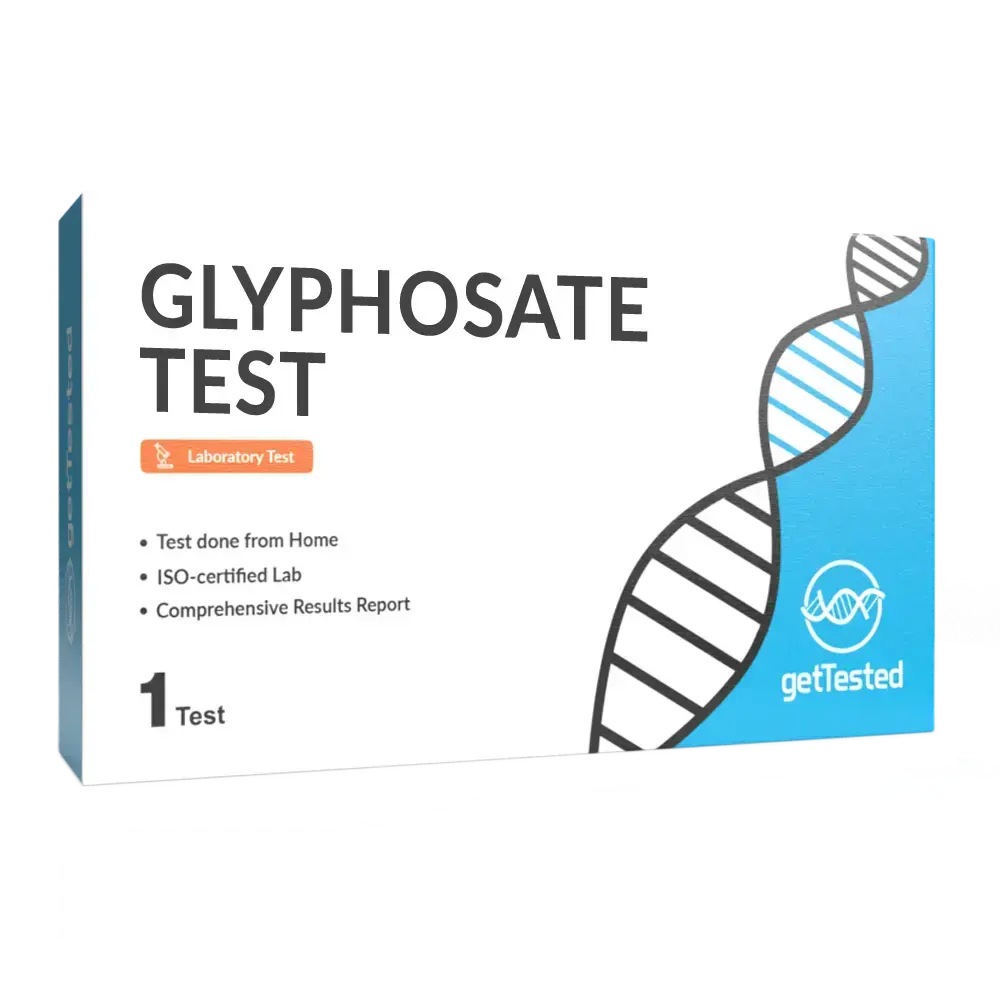
GetTested’s Glyphosate Test is an at-home urine test that measures your body’s exposure to glyphosate, a widely used herbicide (weed killer) found in food and the environment.
Glyphosate is commonly used in agriculture and may be present in grains, vegetables, and drinking water. This test helps you understand your current exposure level, providing insight into potential environmental and dietary sources.
If you are concerned about toxic exposure, environmental chemicals, or long-term health, this test offers a simple way to monitor glyphosate levels in your body.
€59.99
About Glyphosate Test
Glyphosate Exposure and Environmental Impact
Glyphosate is a chemical compound used in herbicides that works by inhibiting an enzyme essential for plant growth. While effective in agriculture, its widespread use has led to increased human exposure through food, water, and environmental contact.
Measuring glyphosate levels in urine provides an indication of recent exposure, offering insight into how environmental factors may influence your overall toxic burden.
What This Test Measures
Biomarkers
1 biomarkers
Sample
Urine
Results in
10-15 Business days
Format
Lab Test
Have Questions?
Chat with our AI assistant for instant answers about this product, usage, or recommendations.
Over 500,000 Customers
4.3 out of 5 based on 3 reviews on this product
€59.99
Glyphosate Test
GetTested’s Glyphosate Test is an at-home urine test that measures your body’s exposure to glyphosate, a widely used herbicide (weed killer) found in food and the environment.
Glyphosate is commonly used in agriculture and may be present in grains, vegetables, and drinking water. This test helps you understand your current exposure level, providing insight into potential environmental and dietary sources.
If you are concerned about toxic exposure, environmental chemicals, or long-term health, this test offers a simple way to monitor glyphosate levels in your body.
€59.99
Glyphosate Exposure and Environmental Impact
Glyphosate is a chemical compound used in herbicides that works by inhibiting an enzyme essential for plant growth. While effective in agriculture, its widespread use has led to increased human exposure through food, water, and environmental contact.
Measuring glyphosate levels in urine provides an indication of recent exposure, offering insight into how environmental factors may influence your overall toxic burden.
What This Test Measures
Biomarkers
1 biomarkers
Sample
Urine
Results in
10-15 Business days
Format
Lab Test
What does glyphosate exposure mean?
How should I interpret my results?
Glyphosate Test price and what’s included
Price history
Current price
€59.99
Starting price
€59.99
Total change
€0.00
No. of changes
0
Stable Pricing
No hidden fees. The price you see is the price you pay.
Price Lock Guarantee
Your price won't change after purchase.
Have Questions About This Product?
Chat with our AI assistant for instant answers about this product, usage guidelines, or personalized recommendations.
Over 500,000 Customers
4.3 out of 5 based on 3 reviews on this product