Nutrition Test
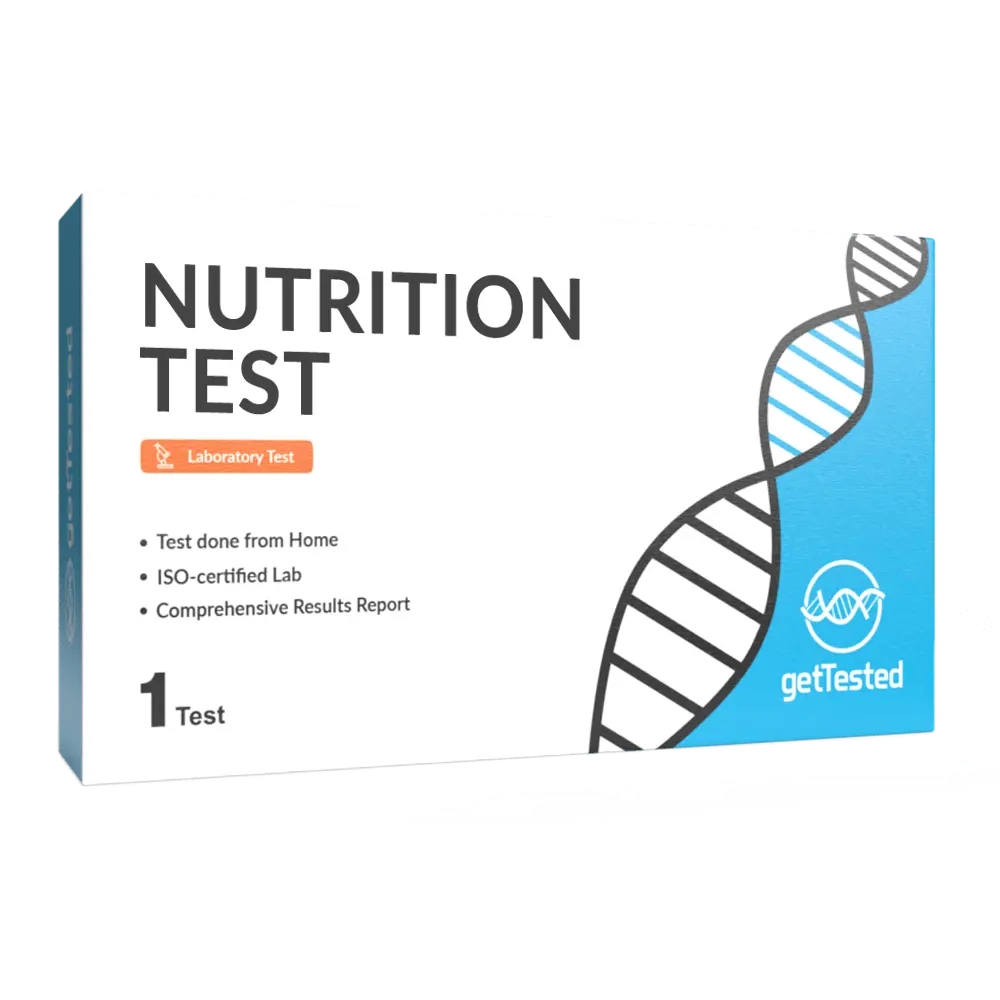
GetTested’s Nutrition Test is an at home blood test designed to give insight into essential minerals and mineral ratios that may influence energy, muscle function, hydration, stress response, metabolism, immune function and overall nutritional balance.
Mineral imbalances can sometimes be part of the picture when you experience symptoms such as fatigue, muscle cramps, low energy, poor recovery, weakness, mood changes, headaches or feeling generally out of balance. Since minerals work closely together, this test measures both individual mineral levels and selected mineral ratios for a broader view of nutritional status.
By analyzing key minerals in whole blood, the test can help you understand whether your mineral balance may be supporting or challenging important body functions.
€99.99
About Nutrition Test
Mineral Balance and Nutritional Health
Minerals are essential nutrients that help regulate many of the body’s core processes. They are involved in fluid balance, nerve signaling, muscle contraction, oxygen transport, enzyme activity, thyroid related processes, antioxidant defense and cardiovascular function.
This test measures selected minerals and ratios in whole blood. Looking at mineral ratios can provide additional context because minerals often interact with each other. For example, sodium and potassium are closely linked to fluid and electrolyte balance, while copper and zinc are often interpreted together because they influence several shared biological processes.
The result provides a broader picture than looking at single minerals alone and can help identify patterns that may be relevant for diet, supplementation or further health assessment.
What This Test Measures
Electrolytes and Fluid Balance
Bone, Muscle and Metabolic Minerals
Trace Minerals and Antioxidant Support
Biomarkers
12 biomarkers
Sample
Blood
Results in
10-15 business days
Format
Lab Test
How It Works
- 1
Order Your Kit
- 2
Collect Your Sample
- 3
Send It Back
- 4
Receive Your Results
Sample Collection
The sample is collected using a finger prick blood sample at home. A small capillary blood sample is collected in the included heparinized collection tube and sent to the laboratory for analysis. This method is practical, minimally invasive and suitable for at home mineral testing.
For a result that better reflects your usual baseline mineral status, avoid taking vitamin, mineral or electrolyte supplements shortly before collecting your sample, unless otherwise advised by a healthcare professional.
Have Questions?
Chat with our AI assistant for instant answers about this product, usage, or recommendations.
Over 500,000 Customers
4.7 out of 5 based on 3 reviews on this product
€99.99
Nutrition Test
GetTested’s Nutrition Test is an at home blood test designed to give insight into essential minerals and mineral ratios that may influence energy, muscle function, hydration, stress response, metabolism, immune function and overall nutritional balance.
Mineral imbalances can sometimes be part of the picture when you experience symptoms such as fatigue, muscle cramps, low energy, poor recovery, weakness, mood changes, headaches or feeling generally out of balance. Since minerals work closely together, this test measures both individual mineral levels and selected mineral ratios for a broader view of nutritional status.
By analyzing key minerals in whole blood, the test can help you understand whether your mineral balance may be supporting or challenging important body functions.
€99.99
Mineral Balance and Nutritional Health
Minerals are essential nutrients that help regulate many of the body’s core processes. They are involved in fluid balance, nerve signaling, muscle contraction, oxygen transport, enzyme activity, thyroid related processes, antioxidant defense and cardiovascular function.
This test measures selected minerals and ratios in whole blood. Looking at mineral ratios can provide additional context because minerals often interact with each other. For example, sodium and potassium are closely linked to fluid and electrolyte balance, while copper and zinc are often interpreted together because they influence several shared biological processes.
The result provides a broader picture than looking at single minerals alone and can help identify patterns that may be relevant for diet, supplementation or further health assessment.
What This Test Measures
Electrolytes and Fluid Balance
Bone, Muscle and Metabolic Minerals
Trace Minerals and Antioxidant Support
Biomarkers
12 biomarkers
Sample
Blood
Results in
10-15 business days
Format
Lab Test
How It Works
- 1
Order Your Kit
- 2
Collect Your Sample
- 3
Send It Back
- 4
Receive Your Results
Sample Collection
The sample is collected using a finger prick blood sample at home. A small capillary blood sample is collected in the included heparinized collection tube and sent to the laboratory for analysis. This method is practical, minimally invasive and suitable for at home mineral testing.
For a result that better reflects your usual baseline mineral status, avoid taking vitamin, mineral or electrolyte supplements shortly before collecting your sample, unless otherwise advised by a healthcare professional.
Can supplements affect my Nutrition Test results?
What is the difference between minerals and electrolytes?
Why are mineral ratios included?
Nutrition Test price and what’s included
Price history
Current price
€99.99
Starting price
€99.99
Total change
€0.00
No. of changes
0
Stable Pricing
No hidden fees. The price you see is the price you pay.
Price Lock Guarantee
Your price won't change after purchase.
Have Questions About This Product?
Chat with our AI assistant for instant answers about this product, usage guidelines, or personalized recommendations.
Over 500,000 Customers
4.7 out of 5 based on 3 reviews on this product