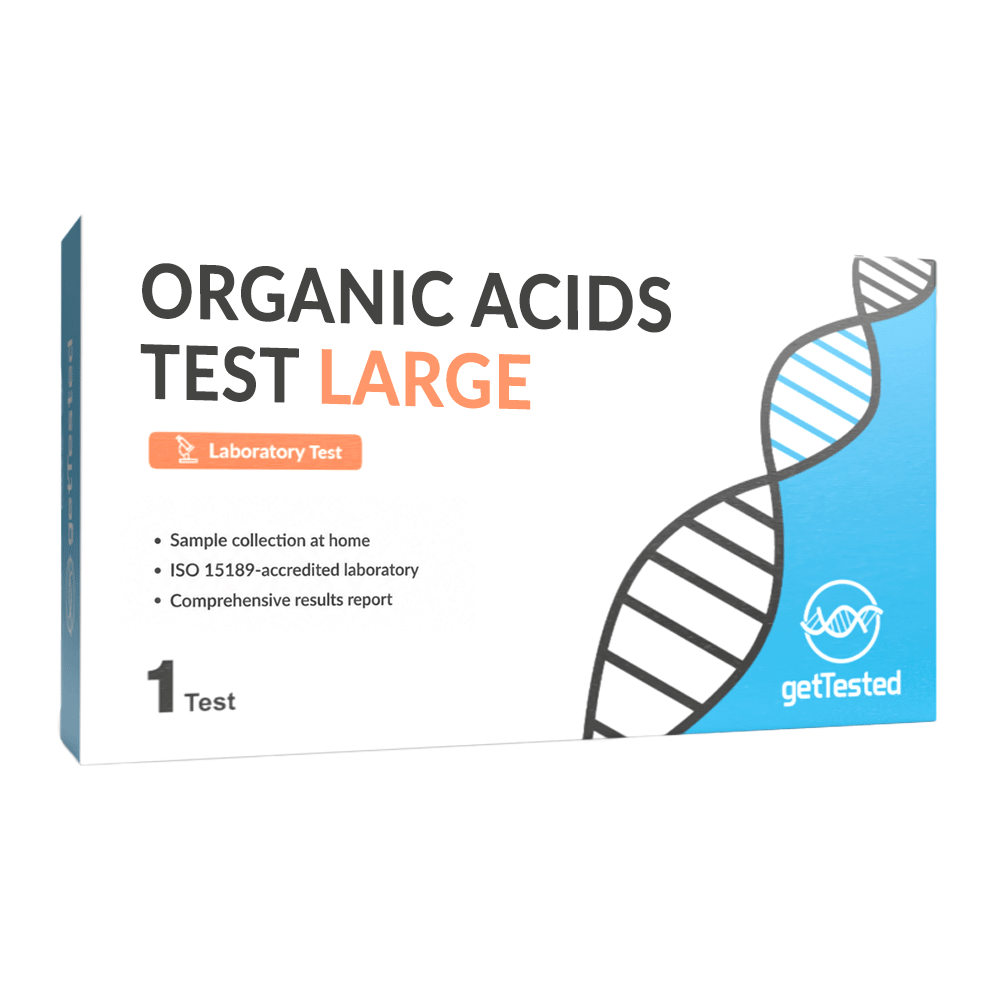
Organic Acids Test (OAT) Large
The Organic Acids Test OAT Large measures 120+ markers for mitochondrial function, gut health, and toxins using high-precision LC-MS/MS metabolic analysis.
Product details: EUR 388 — InStock — SKU UOAL — GetTested
About this test
Key Benefits
Over 120 metabolic markers: One of our most comprehensive urine-based health assessments.
Comprehensive metabolic analysis: Covers cellular energy production, gut microbiome activity, nutrient status, neurotransmitter metabolism, detoxification, oxidative stress, and more.
May be relevant for complex health concerns: Suitable for individuals experiencing persistent fatigue, brain fog, digestive issues, or other difficult-to-explain symptoms.
Advanced laboratory analysis: Performed using high-sensitivity LC-MS/MS technology.
Digital results: Access your laboratory report online once the analysis is complete.
What This Test Measures
Cellular Energy and Mitochondrial Function
The test measures organic acids produced during cellular energy metabolism, providing insight into how efficiently your cells generate energy. It includes markers related to the Krebs cycle, carbohydrate metabolism, fatty acid oxidation, amino acid metabolism, and overall mitochondrial function.
Gut Microbiome, Yeast, and Microbial Activity
The analysis includes markers associated with bacterial activity, yeast and fungal metabolites, and other indicators of microbial metabolism. These markers provide insight into gut microbial activity and its relationship with overall metabolic function.
Nutrient Status and Vitamin Cofactors
Several metabolites are linked to vitamins, minerals, and other nutritional cofactors required for normal metabolic processes. The results may help identify metabolic patterns associated with increased nutritional requirements.
Neurotransmitter Metabolism
The test evaluates metabolites involved in the metabolism of neurotransmitters such as dopamine, serotonin, and related biochemical pathways. These markers provide insight into processes involved in nervous system function.
Detoxification, Oxidative Stress, and Environmental Exposure
The panel includes markers related to glutathione metabolism, oxidative stress, xenobiotic metabolism, and the body's detoxification pathways. It also evaluates oxalate metabolism and other metabolic processes that may be influenced by both internal physiology and environmental factors.
How It Works
Order your test kit
Purchase your test online.Collect your sample
Collect a urine sample at home by following the instructions provided in the kit.Return your sample
Send the sample to the laboratory using the prepaid return materials.Receive your results
Access your digital laboratory report once the analysis has been completed.
Sample Collection
The test is performed using a urine sample collected at home. Follow the instructions included in the kit before returning your sample to the laboratory for analysis.
ISO-Certified Laboratory and Analysis
Your sample is analysed in an ISO-certified laboratory using LC-MS/MS (Liquid Chromatography–Tandem Mass Spectrometry), a highly sensitive and well-established analytical method for measuring organic acids and other metabolic biomarkers.
Biomarkers included
- 3-Hydroxyphenylacetic Acid (3-HPAA): Microbial Overgrowth and Bacterial Dysbiosis — 3-Hydroxyphenylacetic Acid (3-HPAA) is a metabolic byproduct of tyrosine, an amino acid found in proteins. Elevated levels can be associated with certain conditions, including some gut dysbiosis and potentially other metabolic imbalances.
- 4-Hydroxybenzoic Acid (4-HBA): Microbial Overgrowth and Bacterial Dysbiosis — 4-Hydroxybenzoic Acid is a metabolite associated with paraben exposure. Parabens are preservatives commonly used in cosmetics, skincare products, pharmaceuticals, and personal care items.
- Indoleacetic Acid (IAA): Microbial Overgrowth and Bacterial Dysbiosis — Indoleacetic Acid (IAA) is the primary and most abundant naturally occurring auxin, a plant hormone crucial for cell elongation, division, and differentiation. While primarily a plant growth regulator, IAA is also a metabolite produced by certain gut bacteria in humans, and its levels can be influenced by diet and gut microbiome composition.
- Phenylpropionic Acid: Microbial Overgrowth and Bacterial Dysbiosis — Phenylpropionic acid is a naturally occurring organic compound involved in the metabolism of certain amino acids, particularly phenylalanine. Elevated levels can indicate disruptions in these metabolic pathways, and it is often monitored as part of broader metabolic screening tests.
- Hippuric Acid: Microbial Overgrowth and Bacterial Dysbiosis — Hippuric Acid is a metabolite associated with toluene exposure, a chemical commonly used in paints, adhesives, gasoline, and industrial solvents. Levels may also be influenced by certain dietary compounds.
- Phenylacetic Acid (PAA): Microbial Overgrowth and Bacterial Dysbiosis — Phenylacetic acid (PAA) is a metabolic byproduct typically formed from the breakdown of phenylalanine and other aromatic amino acids. Elevated levels can sometimes indicate impaired metabolic pathways or other physiological conditions, making it a useful indicator in certain diagnostic contexts.
- 4-Hydroxyhippuric Acid: Microbial Overgrowth and Bacterial Dysbiosis — 4-Hydroxyhippuric acid, also known as p-hydroxyhippuric acid, is a metabolite produced in the body from the breakdown of phenolic compounds found in food, such as those in fruits and vegetables. Elevated levels can indicate increased exposure to these dietary components or altered gut microbiome activity, and it is being investigated for its potential role in assessing dietary intake and metabolic
- 4-Hydroxyphenylacetic Acid (4-HPAA): Microbial Overgrowth and Bacterial Dysbiosis — 4-Hydroxyphenylacetic Acid (4-HPAA) is a metabolite produced in the body from the breakdown of tyrosine, an amino acid. Elevated levels of 4-HPAA can be associated with certain metabolic disorders and can be an indicator of oxidative stress, potentially contributing to or resulting from various health conditions.
- Citramalic Acid: Microbial Overgrowth and Bacterial Dysbiosis — Citramalic acid is a small organic molecule produced during cellular metabolism. Elevated levels can indicate a disruption in the citric acid cycle, a fundamental pathway for energy production in the body. It is particularly associated with certain genetic disorders affecting mitochondrial function.
- Tricarballylic Acid: Microbial Overgrowth and Bacterial Dysbiosis — Tricarballylic acid is a naturally occurring organic acid produced in the body, primarily as an intermediate in the citric acid cycle. It plays a role in cellular energy production and can be influenced by dietary factors and certain metabolic conditions. Elevated levels may indicate disruptions in energy metabolism.
- 3,4-Dihydroxybenzoic Acid (3,4-DHBA): Microbial Overgrowth and Bacterial Dysbiosis — 3,4-Dihydroxybenzoic Acid (3,4-DHBA), also known as protocatechuic acid, is a phenolic compound found in various plants and is a metabolite of certain dietary components and gut bacteria. Its presence and levels can be indicative of oxidative stress, inflammation, and certain metabolic processes within the body.
- 3-Hydroxypropionic Acid (3-HPA): Microbial Overgrowth and Bacterial Dysbiosis — 3-Hydroxypropionic Acid (3-HPA) is a small organic molecule produced as a byproduct of cellular metabolism, particularly during the breakdown of certain amino acids and fats. Elevated levels of 3-HPA can indicate impaired metabolic function or specific genetic disorders affecting energy production within cells, making it a useful indicator for certain metabolic health assessments.
- 4-Cresol: Microbial Overgrowth and Bacterial Dysbiosis — 4-Cresol is a small organic molecule produced during the breakdown of tyrosine and phenylalanine in the body. Elevated levels of 4-Cresol in urine can indicate impaired kidney function or certain metabolic disorders, as the kidneys normally filter it out.
- Benzoic Acid: Microbial Overgrowth and Bacterial Dysbiosis — Benzoic Acid is a metabolite related to toluene exposure and may also originate from preservatives and naturally occurring compounds in food. It is commonly included in environmental pollutant analysis.
- 2-Hydroxyphenylacetic Acid (2-HPAA): Microbial Overgrowth and Bacterial Dysbiosis — 2-Hydroxyphenylacetic Acid (2-HPAA) is a metabolic byproduct of phenylalanine and tyrosine metabolism. Elevated levels of 2-HPAA in urine can be indicative of certain metabolic disorders and can be influenced by gut microbiome activity.
- 3,4-Dihydroxyphenylpropionic Acid (DHPPA): Microbial Overgrowth and Bacterial Dysbiosis — 3,4-Dihydroxyphenylpropionic Acid (DHPPA) is a metabolite produced by the gut microbiome from dietary polyphenols. It is considered a biomarker for gut health and may be associated with inflammatory responses and oxidative stress.
- 3-Phenyllactic Acid (3-PLA): Microbial Overgrowth and Bacterial Dysbiosis — 3-Phenyllactic Acid (3-PLA) is a metabolic byproduct produced by certain gut bacteria when they break down phenylalanine, an amino acid found in many foods. Elevated levels of 3-PLA in the body can indicate dysbiosis, an imbalance in the gut microbiome, and has been associated with various health conditions including metabolic disorders and neurological issues.
- 3-(3-Hydroxyphenyl)-3-hydroxypropionic Acid (HPHPA): Microbial Overgrowth and Bacterial Dysbiosis — 3-(3-Hydroxyphenyl)-3-hydroxypropionic Acid, or HPHPA, is a breakdown product of dietary compounds found in some plants. Elevated levels of HPHPA can indicate increased exposure to these compounds and may be associated with certain gastrointestinal conditions, although its precise clinical significance is still an area of research.
- 4-Hydroxyphenyllactic Acid (4-HPLA): Microbial Overgrowth and Bacterial Dysbiosis — 4-Hydroxyphenyllactic Acid (4-HPLA) is a compound produced by the gut microbiome as it breaks down tyrosine, an amino acid. Elevated levels of 4-HPLA can be associated with increased gut permeability, a condition where the intestinal wall allows substances to leak into the bloodstream, potentially contributing to inflammation and other health issues.
- 5-Hydroxymethyl-2-furoic Acid: Yeast and Fungal Metabolites — 5-Hydroxymethyl-2-furoic acid (5-HMFA) is a metabolite primarily derived from the breakdown of fructose and other carbohydrates. Elevated levels in the blood or urine can indicate increased oxidative stress, inflammation, and a higher risk of developing metabolic disorders such as diabetes and cardiovascular disease.
- Tartaric Acid: Yeast and Fungal Metabolites — Tartaric acid is a naturally occurring organic acid found in many fruits, most notably grapes. Measuring tartaric acid levels can be useful in diagnosing certain metabolic disorders and as a marker for the consumption of alcoholic beverages or specific foods fortified with tartaric acid.
- Furan-2,5-dicarboxylic Acid: Yeast and Fungal Metabolites — Furan-2,5-dicarboxylic acid (FDCA) is a bio-based building block and a potential replacement for petroleum-derived chemicals. Its presence can be an indicator of the metabolic activity and processing of certain plant-based materials or their breakdown products within the body.
- Arabinitol: Yeast and Fungal Metabolites — Arabinitol is a sugar alcohol that is produced by various fungi, particularly Candida species. Elevated levels of arabinitol in the blood can indicate systemic fungal infections, as the fungi metabolize sugars into arabinitol.
- Arabinose: Yeast and Fungal Metabolites — Arabinose is a type of sugar, specifically a pentose carbohydrate. In medical testing, measuring arabinose in urine can help assess intestinal permeability, which is the ability of the gut lining to prevent unwanted substances from passing into the bloodstream.
- Pyruvic Acid: Carbohydrate and Glycaemic Metabolism — Pyruvic acid is a key molecule in the body's energy production pathway, glycolysis. Elevated levels can indicate issues with carbohydrate metabolism, such as in certain liver diseases or when oxygen is not adequately supplied to tissues.
- Glucose (OA): Carbohydrate and Glycaemic Metabolism — Glucose (OA) refers to the level of glucose in the blood, measured in an older, less specific assay. Glucose is the primary sugar found in your blood and is your body's main source of energy. Monitoring glucose levels is crucial for diagnosing and managing conditions like diabetes.
- 2,4-Dihydroxybutanoic Acid: Carbohydrate and Glycaemic Metabolism — 2,4-Dihydroxybutanoic acid is a metabolic byproduct of vitamin C breakdown and is also involved in other biochemical pathways. Elevated levels can indicate impaired vitamin C metabolism or other metabolic disturbances. Its measurement can be a useful tool in assessing certain metabolic conditions and cellular stress.
- Lactic Acid: Carbohydrate and Glycaemic Metabolism — Lactic acid is a byproduct of glucose metabolism that is produced when oxygen levels are low in the body. Elevated levels can indicate conditions affecting oxygen delivery or utilization, such as severe infection (sepsis), shock, or strenuous exercise. Monitoring lactic acid levels helps assess tissue oxygenation and guide treatment.
- Citric Acid: Citric Acid Cycle and Mitochondrial Metabolism — Citric acid, also known as citrate, is a naturally occurring substance in the body that plays a crucial role in cellular energy production through the Krebs cycle. Measuring its levels can help assess metabolic function and identify potential issues related to kidney function or certain genetic disorders.
- Malic Acid: Citric Acid Cycle and Mitochondrial Metabolism — Malic acid is an organic compound naturally found in fruits and is a key intermediate in the Krebs cycle, the body's primary pathway for energy production. Elevated levels can indicate impaired energy metabolism or certain genetic disorders affecting this cycle.
- Methylsuccinic Acid: Citric Acid Cycle and Mitochondrial Metabolism — Methylsuccinic acid is a small organic molecule produced during the metabolism of certain amino acids and fatty acids. Elevated levels can indicate issues with these metabolic pathways, potentially pointing to inborn errors of metabolism or other specific health conditions.
- 3-Oxoglutaric Acid: Citric Acid Cycle and Mitochondrial Metabolism — 3-Oxoglutaric acid, also known as alpha-ketoglutarate, is a key intermediate in the citric acid cycle, a central pathway for energy production in the body. Its levels can reflect metabolic status and are involved in various cellular processes, including amino acid synthesis and neurotransmitter production. Monitoring 3-oxoglutaric acid can provide insights into cellular energy metabolism and poten
- 2-Oxoglutaric Acid: Citric Acid Cycle and Mitochondrial Metabolism — 2-Oxoglutaric acid, also known as alpha-ketoglutarate, is a crucial molecule involved in the Krebs cycle, a central pathway for energy production within cells. It plays a vital role in amino acid metabolism and the synthesis of neurotransmitters, making it an important indicator of cellular metabolic health.
- 3-Hydroxyglutaric Acid: Citric Acid Cycle and Mitochondrial Metabolism — 3-Hydroxyglutaric acid (3-HGA) is a molecule that is produced during the metabolism of certain amino acids and fatty acids. Elevated levels of 3-HGA in the body can indicate certain metabolic disorders, particularly those affecting the breakdown of leucine, and can be monitored to help diagnose and manage these conditions.
- Fumaric Acid: Citric Acid Cycle and Mitochondrial Metabolism — Fumaric acid is a key intermediate in the Krebs cycle (also known as the citric acid cycle), a fundamental metabolic pathway responsible for energy production within cells. Elevated levels can indicate disruptions in energy metabolism, potentially related to certain genetic disorders or other metabolic conditions.
- Isocitric Acid: Citric Acid Cycle and Mitochondrial Metabolism — Isocitric acid is a molecule involved in cellular energy production through the Krebs cycle. Elevated levels can sometimes indicate impaired metabolic function or certain genetic disorders affecting enzyme activity.
- 2-Hydroxyglutaric Acid: Citric Acid Cycle and Mitochondrial Metabolism — 2-Hydroxyglutaric acid (2-HG) is a molecule that is produced during normal cellular metabolism. Elevated levels of 2-HG can indicate certain genetic disorders affecting metabolism, such as isocitrate dehydrogenase (IDH) mutations often found in specific cancers, making it a potential indicator for disease monitoring and diagnosis.
- cis-Aconitic Acid: Citric Acid Cycle and Mitochondrial Metabolism — Cis-Aconitic acid is a compound produced during the citric acid cycle (Krebs cycle), a fundamental metabolic pathway for energy production in cells. Elevated levels can indicate impaired mitochondrial function or exposure to certain environmental toxins, potentially impacting cellular respiration and energy metabolism.
- Succinic Acid: Citric Acid Cycle and Mitochondrial Metabolism — Succinic acid is a key intermediate in the Krebs cycle, the central pathway for cellular energy production. Elevated levels can indicate disruptions in cellular metabolism, potentially related to various conditions like certain cancers or inherited metabolic disorders.
- Malonic Acid: Fatty Acid Oxidation and Ketone Metabolism — Malonic acid is a small organic molecule produced during the breakdown of fatty acids. Elevated levels can indicate a problem with cellular energy production and are often associated with specific metabolic disorders or vitamin deficiencies.
- Acetoacetic Acid: Fatty Acid Oxidation and Ketone Metabolism — Acetoacetic acid is a ketone body produced by the liver when glucose is not readily available for energy. Elevated levels can indicate that the body is breaking down fat for fuel, which is common in conditions like diabetes, starvation, or prolonged exercise, and can be a sign of diabetic ketoacidosis.
- Hexanoylglycine: Fatty Acid Oxidation and Ketone Metabolism — Hexanoylglycine is a metabolite produced during the breakdown of certain fatty acids in the body. Elevated levels can indicate specific metabolic disorders, such as defects in fatty acid oxidation, which are important for energy production.
- 3-Methylglutaric Acid: Fatty Acid Oxidation and Ketone Metabolism — 3-Methylglutaric acid is a marker that is elevated in the urine of individuals with 3-Methylglutaryl-CoA lyase deficiency, a rare genetic disorder affecting metabolism. Measuring its levels is crucial for diagnosing this condition and managing treatment.
- 3-Methylglutaconic Acid: Fatty Acid Oxidation and Ketone Metabolism — 3-Methylglutaconic acid (3-MGA) is an organic molecule that can be elevated in the urine and blood. Elevated levels are often indicative of mitochondrial dysfunction or certain genetic disorders affecting metabolism, making it a useful marker for diagnosing and monitoring these conditions.
- Sebacic Acid: Fatty Acid Oxidation and Ketone Metabolism — Sebacic acid is a dicarboxylic acid produced as a byproduct of fatty acid metabolism. Elevated levels can indicate impaired mitochondrial function or disruptions in lipid metabolism, potentially serving as an early indicator of certain metabolic disorders.
- Suberylglycine: Fatty Acid Oxidation and Ketone Metabolism — Suberylglycine is a biomarker that can indicate a deficiency in biotinidase, an enzyme crucial for releasing biotin from proteins in the diet. Elevated levels in newborns can suggest a potential metabolic disorder requiring early intervention to prevent intellectual disability and developmental delays.
- 2-Hydroxybutyric Acid: Fatty Acid Oxidation and Ketone Metabolism — 2-Hydroxybutyric acid (2-HB) is a molecule produced during the metabolism of glucose and fatty acids. Elevated levels of 2-HB can indicate oxidative stress and impaired insulin sensitivity, suggesting an increased risk for conditions like type 2 diabetes.
- Pimelic Acid: Fatty Acid Oxidation and Ketone Metabolism — Pimelic acid is a dicarboxylic acid that can be a byproduct of certain metabolic processes, particularly related to fatty acid metabolism. Elevated levels may indicate imbalances in these pathways, potentially impacting cellular function and energy production.
- Azelaic Acid: Fatty Acid Oxidation and Ketone Metabolism — Azelaic acid is a dicarboxylic acid naturally found in whole grains and produced by the Pityrosporum ovale yeast that lives on healthy skin. It possesses anti-inflammatory, antibacterial, and keratolytic properties, making it a valuable compound for managing conditions like acne and rosacea.
- Mevalonolactone: Fatty Acid Oxidation and Ketone Metabolism — Mevalonolactone is a key intermediate in the mevalonate pathway, which is crucial for the synthesis of cholesterol and other essential isoprenoids. Elevated levels of mevalonolactone can indicate increased cholesterol synthesis and may be associated with conditions like hypercholesterolemia and cardiovascular disease.
- 2-Methylglutaric Acid: Fatty Acid Oxidation and Ketone Metabolism — 2-Methylglutaric Acid is a metabolic byproduct that can be elevated in individuals with certain genetic disorders affecting amino acid metabolism, particularly those involving the breakdown of leucine. Measuring its levels can therefore help in the diagnosis and monitoring of these rare metabolic conditions.
- Ethylmalonic Acid: Fatty Acid Oxidation and Ketone Metabolism — Ethyl malonate (EM) is a compound that acts as a biomarker for certain metabolic diseases. Elevated levels of ethyl malonate in the body may indicate hereditary metabolic conditions, such as ethylmalonic encephalopathy, or disorders of fatty acid metabolism.
- Suberic acid: Fatty Acid Oxidation and Ketone Metabolism — Suberic acid, also called octanedioic acid, is a dicarboxylic acid that serves as a metabolic marker in the body. In biological and physiological contexts, it is mainly associated with fatty acid metabolism. Elevated levels of suberic acid can signal metabolic disorders, particularly those affecting fatty acid oxidation, such as medium-chain acyl-coenzyme A dehydrogenase (MCAD) deficiency.
- 3-Hydroxybutyric Acid: Fatty Acid Oxidation and Ketone Metabolism — 3-Hydroxybutyric acid, also known as beta-hydroxybutyrate (BHB), is a ketone body produced by the liver when glucose is unavailable for energy. It is an important alternative fuel source for the body, particularly for the brain, during periods of fasting, prolonged exercise, or when carbohydrate intake is very low. Elevated levels can indicate a ketogenic state.
- Adipic Acid: Fatty Acid Oxidation and Ketone Metabolism — Adipate, also known as adipic acid, is a compound involved in lipid metabolism and serves as a biomarker for metabolic dysfunctions, especially those related to fatty acid oxidation. Its presence, often detected in urine or blood tests, can aid in diagnosing and monitoring metabolic conditions.
- Pyridoxic Acid (Vitamin B6): Vitamins, Nutritional Cofactors and Antioxidant Markers — Pyridoxic acid is a major metabolite of vitamin B6 in the body. Measuring its levels in blood or urine can help assess a person's vitamin B6 status, which is crucial for numerous metabolic processes, including amino acid metabolism, neurotransmitter synthesis, and red blood cell formation.
- 3-Hydroxy-3-methylglutaric Acid (CoQ10): Vitamins, Nutritional Cofactors and Antioxidant Markers — 3-Hydroxy-3-methylglutaric acid, often referred to as HMG, is a byproduct in the body's production of cholesterol and is also a precursor to Coenzyme Q10 (CoQ10). Elevated levels of HMG can indicate potential issues with cholesterol metabolism and reduced CoQ10 production, which is crucial for cellular energy and antioxidant function.
- Methylmalonic acid (MMA): Vitamins, Nutritional Cofactors and Antioxidant Markers — Methylmalonic acid (MMA) is a substance produced in the body during the metabolism of certain fats and proteins. It is a byproduct of methionine breakdown and is influenced by vitamin B12 levels. Elevated MMA levels can serve as an indicator of vitamin B12 deficiency.
- Glutaric Acid (Vitamin B2): Vitamins, Nutritional Cofactors and Antioxidant Markers — Glutaric acid is a byproduct of the breakdown of certain amino acids. Elevated levels can indicate a deficiency in Riboflavin (Vitamin B2), which is essential for its proper metabolism and can lead to neurological issues if untreated.
- Quercetin: Vitamins, Nutritional Cofactors and Antioxidant Markers — Quercetin is a flavonoid, a type of plant-based compound found in many fruits, vegetables, and grains. It is known for its antioxidant and anti-inflammatory properties, and its presence and levels in the body are being investigated for potential roles in various health conditions and as an indicator of dietary intake and cellular health.
- Ascorbic Acid (Vitamin C): Vitamins, Nutritional Cofactors and Antioxidant Markers — Ascorbic acid, commonly known as Vitamin C, is an essential water-soluble vitamin that acts as a powerful antioxidant in the body. It plays a crucial role in immune function, collagen synthesis for healthy skin and wound healing, and the absorption of iron. Measuring its levels can help identify deficiencies that may lead to scurvy or compromise overall health.
- Pantothenic Acid (Vitamin B5): Vitamins, Nutritional Cofactors and Antioxidant Markers — Pantothenic acid, also known as Vitamin B5, is a water-soluble vitamin crucial for synthesizing coenzyme A (CoA). CoA plays a vital role in numerous metabolic pathways, including the breakdown of carbohydrates, fats, and proteins for energy.
- Methylcitric Acid (Biotin/Vitamin H): Vitamins, Nutritional Cofactors and Antioxidant Markers — Methylcitric acid is a marker that can indicate a deficiency in biotin, also known as Vitamin H. Elevated levels of methylcitric acid in the body suggest that biotin-dependent enzymes are not functioning optimally, which can impact various metabolic processes.
- Formiminoglutamic Acid (FIGLU): Folate, Nucleotide Turnover and Methylation — Formiminoglutamic acid (FIGLU) is a metabolic intermediate formed during the breakdown of histidine, an essential amino acid. Elevated levels of FIGLU in urine can indicate a functional deficiency of folic acid (vitamin B9), as folic acid is crucial for the proper conversion of FIGLU to glutamate.
- Uracil: Folate, Nucleotide Turnover and Methylation — Uracil is a pyrimidine nucleobase, one of the four building blocks of RNA. Measuring uracil levels can provide insights into various metabolic processes and may be associated with certain health conditions, particularly those affecting nucleic acid metabolism.
- 5-Methylcytosine: Folate, Nucleotide Turnover and Methylation — 5-Methylcytosine is a modified DNA base formed by the addition of a methyl group to cytosine. It plays a crucial role in epigenetics, influencing gene expression without altering the underlying DNA sequence, and is vital for normal cellular development and function. Aberrant levels or patterns of 5-methylcytosine are implicated in various diseases, including cancer, and are being investigated as d
- Thymine: Folate, Nucleotide Turnover and Methylation — Thymine is one of the four nucleobases that make up DNA, carrying genetic information. Its presence and metabolism are essential for DNA synthesis and repair, making it a fundamental building block of life. While not typically measured directly as a standalone biomarker for general health, alterations in thymine or its related pathways can be indicative of various cellular processes, including rap
- Orotic Acid: Folate, Nucleotide Turnover and Methylation — Orotic acid is a metabolic intermediate in the synthesis of pyrimidines, which are building blocks of DNA and RNA. Elevated levels can indicate issues with its breakdown or overproduction, potentially linked to certain metabolic disorders or liver conditions.
- 2-Hydroxyisocaproic Acid: Amino Acid and Branched Chain Metabolism — 2-Hydroxyisocaproic acid (HICA) is a metabolic byproduct of leucine, an essential branched-chain amino acid. Its levels can be influenced by muscle protein breakdown and synthesis. Elevated HICA may indicate increased muscle catabolism or stress.
- 3-Hydroxyisovaleric Acid: Amino Acid and Branched Chain Metabolism — 3-Hydroxyisovaleric acid (3-HIA) is a metabolic byproduct produced by the breakdown of certain amino acids, specifically valine. Elevated levels of 3-HIA in urine or blood can indicate a deficiency in the enzyme isovaleric acidemia, a type of organic acidemia that can lead to serious health problems if untreated.
- 2-Oxo-4-methiolbutyric Acid (KMBA): Amino Acid and Branched Chain Metabolism — 2-Oxo-4-methiolbutyric acid (KMBA) is a metabolic intermediate that plays a role in methionine metabolism. Elevated levels of KMBA in the blood or urine can indicate impaired methionine metabolism, which is often associated with certain genetic disorders or liver dysfunction.
- Phenylpyruvic Acid: Amino Acid and Branched Chain Metabolism — Phenylpyruvic acid is an organic compound that is a metabolic byproduct of phenylalanine, an amino acid. Elevated levels of phenylpyruvic acid in the urine or blood are a key indicator of Phenylketonuria (PKU), a genetic disorder where the body cannot properly metabolize phenylalanine.
- Succinylacetone: Amino Acid and Branched Chain Metabolism — Succinylacetone is a substance produced during the breakdown of certain amino acids, specifically tyrosine. Elevated levels are a key indicator of tyrosinemia, a rare genetic disorder affecting the liver and kidneys.
- 2-Oxoadipic Acid: Amino Acid and Branched Chain Metabolism — 2-Oxoadipic acid is a metabolic intermediate found in the kynurenine pathway, which is involved in tryptophan metabolism and also plays a role in the production of certain neurotransmitters. Elevated levels of 2-oxoadipic acid can indicate issues with amino acid metabolism or imbalances in the kynurenine pathway, potentially linking to various health conditions.
- 2-Hydroxyisovaleric Acid: Amino Acid and Branched Chain Metabolism — 2-Hydroxyisovaleric acid (2-HIVA) is a branched-chain alpha-hydroxy acid. It is a metabolic byproduct and can be elevated in certain conditions, such as isovaleric acidemia, a rare genetic disorder affecting the metabolism of branched-chain amino acids, and may also be influenced by dietary intake and gut microbiome activity.
- 2-Oxoisovaleric Acid: Amino Acid and Branched Chain Metabolism — 2-Oxoisovaleric acid is an organic compound that plays a role in the metabolism of certain amino acids, particularly leucine. Elevated levels can indicate disruptions in these metabolic pathways, which may be associated with specific genetic disorders or certain health conditions affecting protein breakdown.
- Phenylglyoxylic Acid: Amino Acid and Branched Chain Metabolism — Phenylglyoxylic Acid is a metabolite associated with styrene exposure and is often measured together with mandelic acid to evaluate exposure to styrene-related compounds.
- 2-Oxoisocaproic Acid: Amino Acid and Branched Chain Metabolism — 2-Oxoisocaproic acid is a key metabolic intermediate found in the breakdown of the amino acid leucine. Elevated levels can indicate issues with leucine metabolism or certain metabolic disorders.
- N-Acetylphenylalanine: Amino Acid and Branched Chain Metabolism — N-Acetylphenylalanine is a derivative of the amino acid phenylalanine. Elevated levels can indicate certain metabolic disorders, and it is sometimes studied in relation to conditions affecting amino acid metabolism.
- 3-Methyl-2-oxovaleric Acid: Amino Acid and Branched Chain Metabolism — 3-Methyl-2-oxovaleric Acid (3-M2OV) is an alpha-keto acid that is a key intermediate in the metabolism of the amino acid valine. Elevated levels of 3-M2OV in blood or urine can indicate impaired valine metabolism, which is often a sign of certain metabolic disorders like maple syrup urine disease (MSUD).
- Isovalerylglycine: Amino Acid and Branched Chain Metabolism — Isovalerylglycine is a metabolite that is produced during the breakdown of certain amino acids. Elevated levels can indicate a metabolic disorder, specifically isovaleric acidemia, which affects how the body processes proteins.
- Homogentisic Acid: Amino Acid and Branched Chain Metabolism — Homogentisic acid (HGA) is a metabolic byproduct formed during the breakdown of tyrosine, an amino acid. Elevated levels of HGA in the urine are a hallmark of alkaptonuria (AKU), a rare genetic disorder where the body cannot properly metabolize tyrosine. Monitoring HGA is crucial for diagnosing and managing AKU, which can lead to joint disease and other complications.
- Tiglylglycine: Amino Acid and Branched Chain Metabolism — Tiglylglycine is an organic acid marker linked to the breakdown of certain amino acids, especially isoleucine, and fatty acid related energy metabolism. It is not a toxin or environmental pollutant, so higher or lower levels are not interpreted as exposure in the same way as pesticides or metals. Abnormal levels may suggest altered mitochondrial or amino acid processing, which can be relevant when
- N-Butyrylglycine: Amino Acid and Branched Chain Metabolism — N-Butyrylglycine is a metabolic byproduct that can be elevated in certain genetic disorders affecting amino acid metabolism, particularly in individuals with defects in the urea cycle or fatty acid oxidation. Monitoring its levels can help diagnose and manage these conditions, offering insights into cellular energy production and detoxification pathways.
- N-(2-Methylbutyryl)glycine: Amino Acid and Branched Chain Metabolism — N-(2-Methylbutyryl)glycine is a type of molecule produced during the breakdown of certain amino acids. Elevated levels can indicate specific metabolic disorders, making it a valuable marker for diagnosing and monitoring conditions affecting amino acid metabolism.
- 3-Methylcrotonylglycine: Amino Acid and Branched Chain Metabolism — 3-Methylcrotonylglycine (3-MCG) is a compound produced during the metabolism of the amino acid leucine. Elevated levels of 3-MCG in the body can indicate issues with leucine metabolism, potentially suggesting certain metabolic disorders or deficiencies in enzymes involved in this pathway. Monitoring 3-MCG is therefore important for diagnosing and managing these conditions.
- N-Acetylaspartic Acid: Amino Acid and Branched Chain Metabolism — N-Acetylaspartic Acid (NAA) is a major metabolic product primarily found in neurons of the central nervous system. Its high concentration is indicative of neuronal health and function, and its depletion can signal neuronal loss or dysfunction.
- Guanidinobutyric Acid: Amino Acid and Branched Chain Metabolism — Guanidinobutyric acid (GBA) is a metabolite produced during the breakdown of certain amino acids and is thought to play a role in energy metabolism. Elevated levels of GBA have been associated with various health conditions, including impaired kidney function and certain metabolic disorders.
- Propionylglycine: Amino Acid and Branched Chain Metabolism — Propionylglycine is a small molecule produced as a byproduct of normal metabolism, particularly during the breakdown of certain amino acids. Elevated levels can indicate a deficiency in the enzyme propionyl-CoA carboxylase, which is crucial for processing these amino acids, suggesting a metabolic disorder.
- Guanidinoacetic Acid: Amino Acid and Branched Chain Metabolism — Guanidinoacetic acid (GAA) is a precursor to creatine, a molecule crucial for energy production in muscles and the brain. Measuring GAA levels can help assess creatine synthesis and detect certain metabolic disorders.
- 2-Oxobutyric Acid: Amino Acid and Branched Chain Metabolism — 2-Oxobutyric acid (2-OBA) is a metabolic byproduct formed during the breakdown of certain amino acids, particularly methionine. Elevated levels of 2-OBA in the blood or urine can indicate a deficiency in vitamin B6 or a number of metabolic disorders, making it a useful marker for assessing nutritional status and certain enzyme functions.
- Vanillylmandelic acid (VMA): Neurotransmitter and Tryptophan Metabolism — Vanillylmandelic acid (VMA) is a metabolite formed from the breakdown of catecholamines such as adrenaline, noradrenaline, and dopamine. It is used as a clinical marker to assess catecholamine activity, with levels typically measured in urine. Various factors, including certain foods and medications, can influence VMA levels.
- HVA/DOPAC Ratio: Neurotransmitter and Tryptophan Metabolism — The HVA/DOPAC ratio is a biomarker that reflects the activity of enzymes involved in dopamine metabolism. It is particularly useful in assessing conditions like Parkinson's disease, where dopamine levels and turnover are significantly altered.
- Xanthurenic Acid: Neurotransmitter and Tryptophan Metabolism — Xanthurenic Acid is a metabolite formed during the breakdown of the amino acid tryptophan through the kynurenine pathway. Its levels can reflect vitamin B6 (pyridoxine) status, as this vitamin acts as a vital cofactor in the process. Elevated xanthurenate may indicate a deficiency in vitamin B6.
- 5-Hydroxyindoleacetic Acid (5-HIAA): Neurotransmitter and Tryptophan Metabolism — 5-Hydroxyindoleacetic Acid (5-HIAA) is the main breakdown product of serotonin, a neurotransmitter involved in mood, sleep, appetite, gut motility and other body functions. Measuring 5-HIAA in urine can give insight into serotonin turnover, meaning how serotonin is being produced, used and metabolised. Higher or lower levels may reflect changes in serotonin metabolism, but should not be interprete
- Quinolinic Acid/5-HIAA Ratio: Neurotransmitter and Tryptophan Metabolism — This biomarker represents the ratio between Quinolinic Acid (QUIN) and 5-Hydroxyindoleacetic Acid (5-HIAA). QUIN is a neurotoxic metabolite involved in inflammation and excitotoxicity, while 5-HIAA is a breakdown product of serotonin, a key neurotransmitter. An altered ratio can indicate imbalances in neuroinflammation and serotonin metabolism, potentially associated with certain neurological or p
- Kynurenic acid: Neurotransmitter and Tryptophan Metabolism — Kynurenic acid is a metabolite formed in the kynurenine pathway during the breakdown of the amino acid tryptophan. It functions in the nervous system as a neuroprotective agent and is of interest in neurological and psychiatric research. Imbalances in kynurenic acid levels have been associated with conditions such as schizophrenia and depression.
- 3-Methyl-4-hydroxyphenylglycol (MHPG): Neurotransmitter and Tryptophan Metabolism — 3-Methyl-4-hydroxyphenylglycol (MHPG) is a metabolic byproduct derived from the breakdown of norepinephrine, a key neurotransmitter in the brain. Measuring MHPG levels can provide insights into norepinephrine activity, which plays a role in mood regulation, stress response, and cognitive functions.
- Picolinic Acid: Neurotransmitter and Tryptophan Metabolism — Picolinic acid is a naturally occurring compound derived from the breakdown of tryptophan, an essential amino acid. It plays a role in nutrient absorption, particularly minerals like zinc, and exhibits antioxidant and anti-inflammatory properties. Elevated levels can sometimes indicate imbalances in tryptophan metabolism or impaired immune function.
- Homovanillic acid (HVA): Neurotransmitter and Tryptophan Metabolism — Homovanillic acid (HVA) is a metabolite that reflects the breakdown of dopamine, a key neurotransmitter in the body. HVA levels serve as an important marker for evaluating dopamine activity. Changes in HVA can indicate shifts in dopamine function and are used to monitor the effectiveness of treatments targeting dopamine metabolism.
- HVA/VMA Ratio: Neurotransmitter and Tryptophan Metabolism — The HVA/VMA ratio is a measurement of the relative amounts of homovanillic acid (HVA) and vanillylmandelic acid (VMA) found in urine. These are breakdown products of dopamine and norepinephrine, neurotransmitters involved in various bodily functions. This ratio is primarily used in the diagnosis and monitoring of neuroblastoma, a type of cancer that arises from nerve cells.
- Kynurenic/Quinolinic Ratio: Neurotransmitter and Tryptophan Metabolism — The Kynurenic/Quinolinic Ratio is a measure of a specific pathway in the body that processes tryptophan. This ratio is important as it reflects the balance between neuroprotective (kynurenic acid) and neurotoxic (quinolinic acid) compounds, which can be altered in various neurological and inflammatory conditions.
- Quinolinic acid: Neurotransmitter and Tryptophan Metabolism — Quinolinic Acid is a metabolite involved in the kynurenine pathway and may be evaluated in relation to metabolic, inflammatory, and environmental processes.
- DOPAC: Neurotransmitter and Tryptophan Metabolism — 3,4-Dihydroxyphenylacetic acid / DOPAC is one of the main metabolites of dopamine, formed when dopamine is broken down by enzymes such as monoamine oxidase. Because dopamine is involved in movement, motivation, attention, and reward signaling, measuring DOPAC can help indicate dopamine turnover, meaning how actively dopamine is being produced, used, and metabolized in the body.
- Cortisol (OA): Detoxification, Glutathione, Oxidative Stress and Inflammation — Cortisol is a steroid hormone produced by the adrenal glands in response to stress and low blood glucose levels. Measuring cortisol can help diagnose conditions like Cushing's syndrome (high cortisol) and Addison's disease (low cortisol), which impact various bodily functions.
- N-Acetylglycine: Detoxification, Glutathione, Oxidative Stress and Inflammation — N-Acetylglycine is a non-proteinogenic amino acid derivative found in the body. It is a metabolic byproduct and its levels can be associated with certain metabolic disorders and neurological conditions, making it a potential indicator of cellular stress or dysfunction.
- Glucaric Acid: Detoxification, Glutathione, Oxidative Stress and Inflammation — Glucaric acid is a naturally occurring sugar acid. It is a breakdown product of carbohydrate metabolism and its levels in urine can be an indicator of Vitamin C status in the body.
- Leukotriene E4: Detoxification, Glutathione, Oxidative Stress and Inflammation — Leukotriene E4 (LTE4) is a specific type of lipid mediator produced by the body in response to inflammation, particularly in allergic reactions and asthma. Measuring LTE4 levels can help assess the severity of airway inflammation and guide treatment decisions for respiratory conditions.
- N-Acetylcysteine (NAC): Detoxification, Glutathione, Oxidative Stress and Inflammation — N-Acetylcysteine (NAC) is an amino acid derivative and a precursor to glutathione, a powerful antioxidant. It is important because levels of NAC can reflect the body's capacity for detoxification and protection against oxidative stress. Monitoring NAC may be relevant in assessing conditions related to inflammation and cellular damage.
- 2-Hydroxyisobutyric Acid: Detoxification, Glutathione, Oxidative Stress and Inflammation — 2-Hydroxyisobutyric Acid (2-HIBA) is a small molecule produced during the breakdown of certain amino acids and other compounds in the body. Elevated levels of 2-HIBA can be indicative of specific metabolic disorders or cellular stress, making it a useful marker for diagnostic and monitoring purposes.
- Pyroglutamic Acid: Detoxification, Glutathione, Oxidative Stress and Inflammation — Pyroglutamic acid is a breakdown product of glutathione, an important antioxidant in the body. Elevated levels can indicate oxidative stress or a deficiency in glutathione synthesis, potentially contributing to various health issues, including certain metabolic disorders and acquired toxic milk in infants.
- 8-hydroxy-deoxyguanosine: Detoxification, Glutathione, Oxidative Stress and Inflammation — 8-hydroxy-deoxyguanosine (8-OHdG) is a marker of oxidative DNA damage, specifically the oxidation of guanine, one of the DNA bases. Elevated levels of 8-OHdG in urine or blood can indicate increased exposure to reactive oxygen species and may be associated with an increased risk of various chronic diseases.
- Glyceric Acid: Oxalate Metabolism — Glyceric acid is a simple sugar acid that plays a role in cellular metabolism, particularly in the pathways that process carbohydrates. Elevated levels can indicate disruptions in these metabolic processes, potentially related to conditions like diabetes or certain genetic disorders.
- Oxalic Acid: Oxalate Metabolism — Oxalic acid is a naturally occurring organic compound found in many plants and also produced by the body during metabolism. Elevated levels in urine can indicate an increased risk of developing calcium oxalate kidney stones, the most common type of kidney stone.
- Glycolic Acid: Oxalate Metabolism — Glycolic acid is a simple alpha-hydroxy acid (AHA) that is a natural byproduct of cellular metabolism. Elevated levels in the blood or urine can indicate impaired kidney function, as the kidneys are responsible for filtering it out of the body. Monitoring glycolic acid can therefore be useful in assessing kidney health and identifying potential metabolic disorders.
- 2-Methylhippuric Acid: Environmental and Xenobiotic Exposure — 2-Methylhippuric Acid is a metabolite associated with exposure to xylene, a solvent commonly found in paints, fuels, varnishes, and industrial chemicals. Measuring this marker may provide insight into recent xylene exposure from environmental or occupational sources.
- Monoethyl Phthalate: Environmental and Xenobiotic Exposure — Monoethyl Phthalate is a metabolite associated with exposure to phthalates, a group of chemicals commonly used in plastics, cosmetics, fragrances, and personal care products.
- 4-Methylhippuric Acid: Environmental and Xenobiotic Exposure — 4-Methylhippuric acid is a metabolite produced by the body after exposure to the solvent toluene, which is commonly found in paints, glues, and some cleaning products. Measuring its levels in urine can help assess recent exposure to toluene.
- 3,4-Dimethylhippuric Acid: Environmental and Xenobiotic Exposure — 3,4-Dimethylhippuric Acid is a metabolite associated with exposure to trimethylbenzenes, chemicals commonly found in fuels, solvents, paints, and industrial products.
- Mandelic Acid + Phenylglyoxylic Acid: Environmental and Xenobiotic Exposure — This combined marker is used to assess overall exposure to styrene, a chemical commonly found in plastics manufacturing, insulation materials, and industrial environments.
- 2-Hydroxyhippuric Acid: Environmental and Xenobiotic Exposure — 2-Hydroxyhippuric acid, also known as salicylic acid, is a metabolite primarily formed from the breakdown of aspirin in the body. It is important as it can indicate aspirin use and its levels can be monitored to assess medication adherence or potential exposure.
- Furancarbonylglycine: Environmental and Xenobiotic Exposure — Furancarbonylglycine is a small molecule that is a product of the metabolism of certain foods, particularly those containing furan compounds like furfural. Elevated levels of furancarbonylglycine can indicate increased exposure to furan-containing compounds and may be associated with oxidative stress and potential cellular damage, making it a marker of exposure and potential toxicity.
- Phthalic Acid: Environmental and Xenobiotic Exposure — Phthalic Acid is a general metabolite linked to phthalate exposure. Phthalates are widely used in plastics, packaging materials, vinyl products, and consumer goods.
- Mandelic Acid: Environmental and Xenobiotic Exposure — Mandelic Acid is a metabolite linked to styrene exposure. Styrene is commonly used in the production of plastics, synthetic rubber, insulation materials, and packaging products.
- 3-Methylhippuric Acid: Environmental and Xenobiotic Exposure — 3-Methylhippuric Acid is a metabolite linked to xylene exposure and is commonly evaluated in environmental exposure testing. Xylene may be present in fuel emissions, solvents, paints, and certain industrial environments.
- t,t-Muconic Acid: Environmental and Xenobiotic Exposure — t,t-Muconic Acid is a biomarker associated with benzene exposure. Benzene is an industrial chemical found in fuel emissions, cigarette smoke, and certain occupational environments. Measuring t,t-Muconic Acid may help evaluate recent benzene exposure.
- Creatinine: Urine Normalisation Marker — Creatinine is a waste product formed in muscles from the normal breakdown of creatine. It is released into the bloodstream and filtered by the kidneys, then excreted in urine. Because creatinine levels are influenced by how efficiently the kidneys filter blood, it is commonly used to assess kidney function. Elevated creatinine may indicate reduced kidney filtration or kidney disease, while low lev
How to prepare
Avoid apples, grapes, pears, and cranberries (and their juices) for 24 hours prior to collection. Minimize non-essential supplements for 48-72 hours. Fasting is required for 8 hours before collecting the first-morning void.
Frequently asked questions
What is the difference between an OAT and a standard blood test?
Blood tests show what is circulating in the blood at a specific moment; urine organic acids show the metabolic byproducts of what is actually occurring inside the cells and metabolic pathways.
Do I need to stop supplements before the test?
It is generally recommended to avoid non-essential supplements for 48-72 hours prior to collection. Specifically, avoid apples, grapes, cranberries, and pears for 24 hours as they contain benzoic acid which can skew results.
How does this test detect yeast or Candida?
The test uses LC-MS/MS technology, which provides high sensitivity to identify metabolites like Arabinose or Citramalic acid that are secreted by yeast and fungi during overgrowth.
Why is oxalate testing important?
High oxalates can interfere with mineral absorption and contribute to joint pain or kidney stones. This test measures three distinct markers for oxalate metabolism to help identify internal production versus dietary intake.
Customer reviews
4.6/5 (8)
- 5/5 — Smidigt test och mycket tydligare resultat än vanliga blodprov.
- 4/5 — Found out some interesting things about my gut health that blood tests missed. Shipping was a bit slow but the report is great.
- 5/5 — Finally got some answers about my brain fog!
- 5/5 — Super easy to follow the instructions and the results were very detailed.
- 5/5 — Väldigt omfattande rapport och smidig leverans.
- 5/5 — Tydliga instruktioner och snabbt utskick.
- 4/5 — Gav mig svar på mina funderingar kring trötthet. Priset är högt men det var värt det för alla markörer man får se.
- 4/5 — Det tog lite tid att få svaren, men informationen om min tarmhälsa var extremt värdefull. Bra instruktioner inför provtagningen också.