Water Quality Test
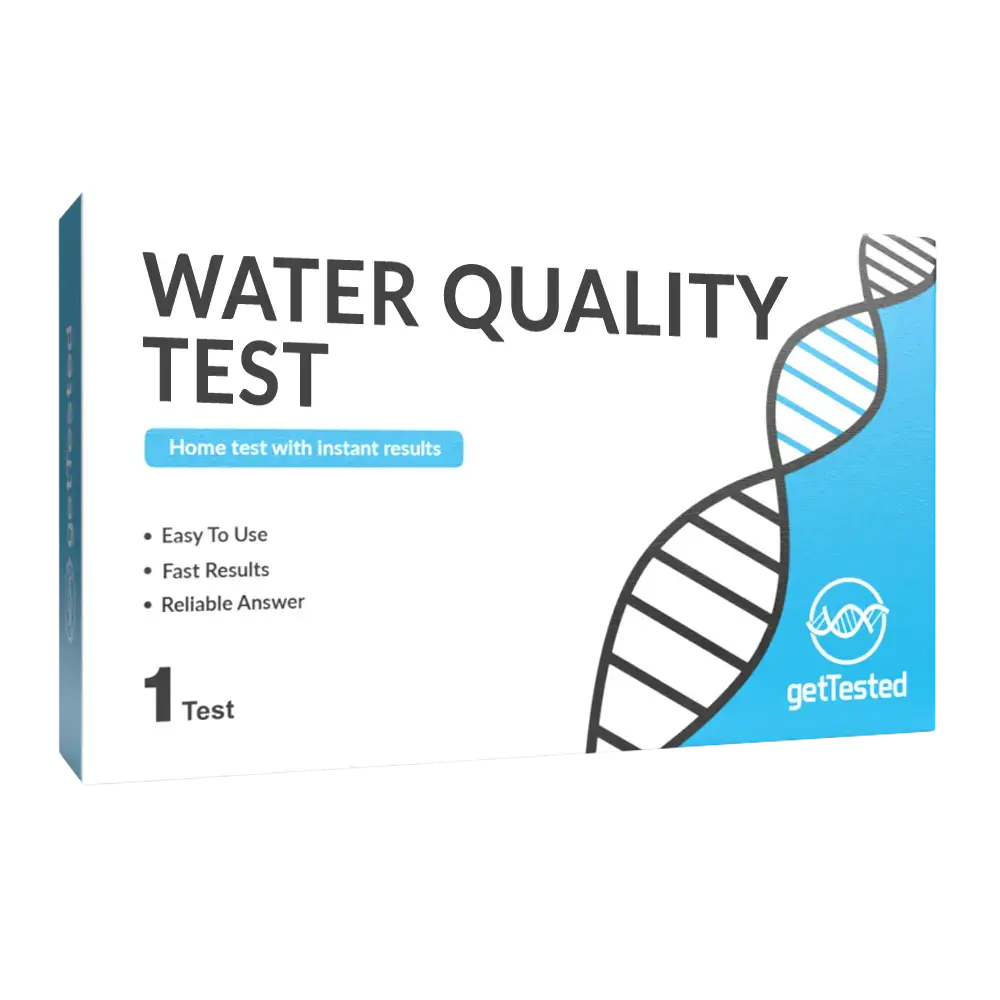
GetTested’s Water Quality Test is an easy at-home rapid test that checks 14 key water quality parameters in drinking water, including pH, hardness, alkalinity, chlorine, nitrate, nitrite, metals and coliform bacteria including E. coli. If your water tastes unusual, smells different, comes from a private well, or you simply want reassurance about what you and your household are drinking, this test gives you a quick way to screen your water at home. No laboratory analysis, sample return or special equipment is required.
€49.99
About Water Quality Test
Understand What’s in Your Drinking Water
Clean drinking water should feel safe, fresh and reliable, but water quality can vary depending on the source, plumbing, treatment system and surrounding environment. Even water that looks clear may contain substances that affect taste, smell, quality or safety.
This test helps you check several important water quality indicators at once, making it useful for households using well water, municipal water, filtered water or water from older plumbing systems. It provides fast insight and can help you decide whether further testing or action may be needed.
What This Test Measures
Water Balance and General Quality
Taste, Smell and Mineral Indicators
Chlorine and Disinfection
Metals and Minerals
Biomarkers
14 biomarkers
Sample
Water
Results in
Results in minutes; bacteria may take up to 48 hours.
Format
Rapid Test
Understanding Your Results
Most parameters are read by comparing the test colours with the included colour chart. This gives a rapid indication of whether each marker appears within the expected range or is elevated.
The bacteria screening requires longer development time. Results are usually checked after 48 hours, and in some cases after an additional 24 hours depending on the colour result.
If your results suggest possible contamination, or if your water has a strong smell, unusual taste, visible changes or comes from a higher-risk source, confirmatory laboratory testing may be recommended.
How It Works
Order Your Kit: Purchase your Water Quality Test online.
Collect Your Sample: Use water from the source you want to test, such as a tap, well, filter system or stored water container.
Perform the Test: Follow the included instructions for each test strip or vial.
Read Your Results: Compare the results with the colour chart provided.
Follow Up if Needed: Consider further testing or action if results suggest possible contamination.
Sample Collection
The test is performed using a urine sample collected at home. No laboratory analysis, blood sample or sample return is required.
Have Questions?
Chat with our AI assistant for instant answers about this product, usage, or recommendations.
Over 500,000 Customers
4.7 out of 5 based on 35 reviews on this product
€49.99
Water Quality Test
GetTested’s Water Quality Test is an easy at-home rapid test that checks 14 key water quality parameters in drinking water, including pH, hardness, alkalinity, chlorine, nitrate, nitrite, metals and coliform bacteria including E. coli. If your water tastes unusual, smells different, comes from a private well, or you simply want reassurance about what you and your household are drinking, this test gives you a quick way to screen your water at home. No laboratory analysis, sample return or special equipment is required.
€49.99
Understand What’s in Your Drinking Water
Clean drinking water should feel safe, fresh and reliable, but water quality can vary depending on the source, plumbing, treatment system and surrounding environment. Even water that looks clear may contain substances that affect taste, smell, quality or safety.
This test helps you check several important water quality indicators at once, making it useful for households using well water, municipal water, filtered water or water from older plumbing systems. It provides fast insight and can help you decide whether further testing or action may be needed.
What This Test Measures
Water Balance and General Quality
Taste, Smell and Mineral Indicators
Chlorine and Disinfection
Metals and Minerals
Biomarkers
14 biomarkers
Sample
Water
Results in
Results in minutes; bacteria may take up to 48 hours.
Format
Rapid Test
Understanding Your Results
Most parameters are read by comparing the test colours with the included colour chart. This gives a rapid indication of whether each marker appears within the expected range or is elevated.
The bacteria screening requires longer development time. Results are usually checked after 48 hours, and in some cases after an additional 24 hours depending on the colour result.
If your results suggest possible contamination, or if your water has a strong smell, unusual taste, visible changes or comes from a higher-risk source, confirmatory laboratory testing may be recommended.
How It Works
Order Your Kit: Purchase your Water Quality Test online.
Collect Your Sample: Use water from the source you want to test, such as a tap, well, filter system or stored water container.
Perform the Test: Follow the included instructions for each test strip or vial.
Read Your Results: Compare the results with the colour chart provided.
Follow Up if Needed: Consider further testing or action if results suggest possible contamination.
Sample Collection
The test is performed using a urine sample collected at home. No laboratory analysis, blood sample or sample return is required.
Can I use this kit for well water?
Does this test detect lead and mercury?
What should I do if the bacteria test is positive?
Water Quality Test price and what’s included
Price history
Current price
€49.99
Starting price
€49.99
Total change
€0.00
No. of changes
0
Stable Pricing
No hidden fees. The price you see is the price you pay.
Price Lock Guarantee
Your price won't change after purchase.
Have Questions About This Product?
Chat with our AI assistant for instant answers about this product, usage guidelines, or personalized recommendations.
Over 500,000 Customers
4.7 out of 5 based on 35 reviews on this product