IBS Test
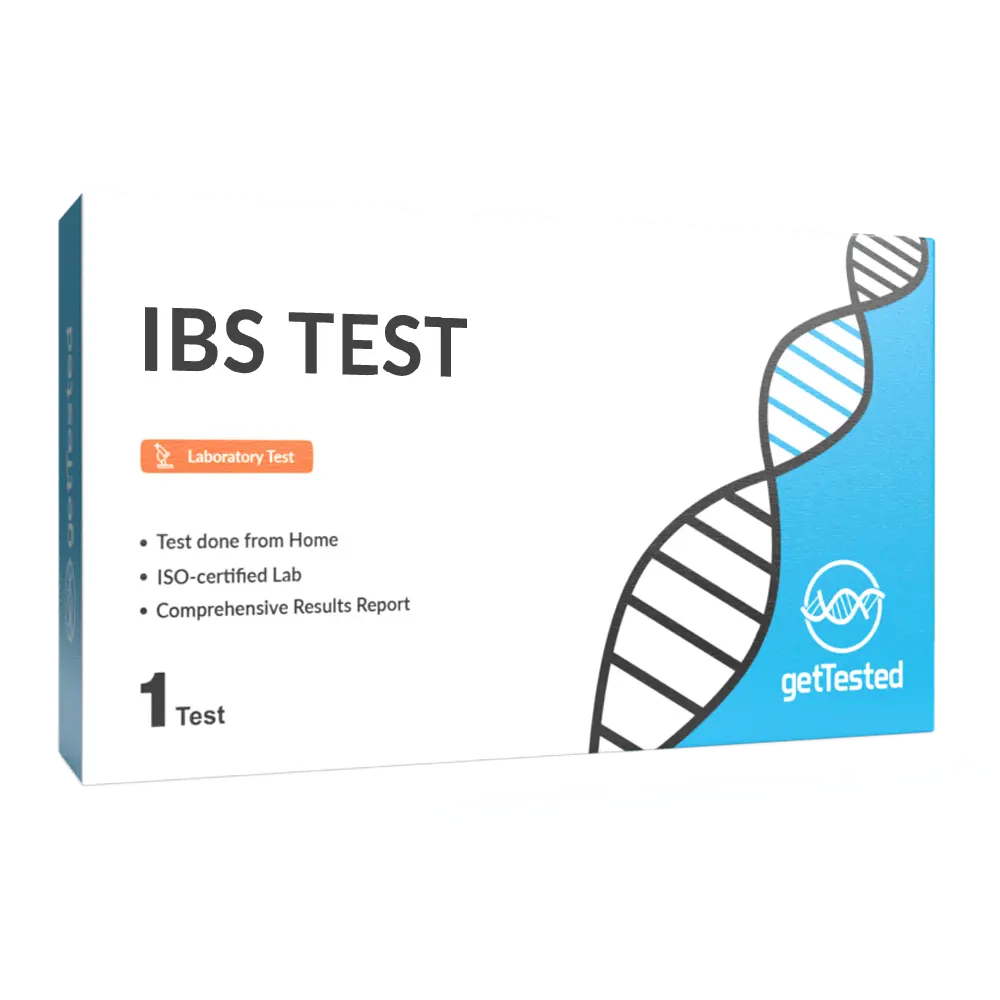
A 27-marker stool panel covering inflammation, digestion and microbiome markers. IBS is diagnosed by exclusion — take results to your GP.
Product details: EUR 219.99 — InStock — SKU A130 — GetTested
About this test
Key Benefits
Insight into gut microbiome and digestion
Measures bacteria, yeast, and inflammation markers
Helps identify imbalances linked to IBS
Simple at-home stool test
Supports understanding of digestive health
What This Test Measures
Gut Microbiome
Beneficial & opportunistic bacteria: Lactobacillus, Bifidobacterium, E. coli, Clostridium
Yeast & Fungi
Candida spp., Candida albicans, Geotrichum candidum
Digestive Function
Pancreatic elastase
Bile acids
Inflammation & Gut Health
Calprotectin
Alpha-1 antitrypsin
Secretory IgA
Gut Environment & Residues
pH value
Fat, nitrogen, sugar, and water
About IBS & Gut Health
IBS is often associated with imbalances in gut bacteria, digestion, and gut lining function. These imbalances may contribute to symptoms such as bloating, discomfort, and irregular bowel movements.
By analyzing multiple aspects of gut health, this test helps identify potential root causes rather than just symptoms.
How It Works
Order your test kit online and collect a stool sample at home using the included kit. The sample is then sent to the laboratory for analysis, and you receive your results digitally in a clear and easy-to-understand format.
Who Should Consider This Test
This test is suitable for individuals with IBS or digestive issues, such as bloating, irregular bowel movements, or discomfort, and for anyone wanting a deeper understanding of their gut health.
Stool Sample Collection & Test Method
The sample is collected using a simple stool test at home, following the included instructions, and everything you need is included in the kit. The sample is then analyzed to assess bacteria, yeast, digestive markers, and gut environment parameters.
Accredited Laboratory
The test is analyzed in an accredited laboratory, ensuring high standards for quality, accuracy, and reliability.
Biomarkers included
- Serratia: Serratia is a type of bacteria commonly found in the environment and sometimes in the human intestinal tract. While usually harmless in healthy individuals, its presence in stool may be concerning for those with certain health conditions. Detection in stool tests can signal possible gut flora imbalances or infections.
- Enterococcus species: Enterococcus species are bacteria that can naturally be found in the human gut as part of the normal intestinal microbiome. In balanced levels, they may contribute to microbial diversity and support the overall gut environment. However, higher levels may suggest a shift in microbial balance, especially when seen together with digestive symptoms or other bacterial changes. Enterococcus results shou
- Calprotectin: Calprotectin is a protein found in white blood cells that serves as a marker of inflammation, particularly in the gut. Measuring calprotectin levels in stool helps assess the degree of intestinal inflammation. This test is useful for diagnosing and monitoring inflammatory bowel diseases (IBD) such as Crohn’s disease and ulcerative colitis, and for distinguishing them from irritable bowel syndrome
- Geotrichum candidum: Geotrichum candidum is a fungus commonly found in the environment, including soil, water, air, and certain foods. It is also a natural part of the human microbiota, typically residing in the gut and on the skin. While usually harmless, it can become opportunistic and cause infections in individuals with weakened immune systems.
- Escherichia coli Biovare: Escherichia coli Biovare is a distinct subspecies of E. coli that is not typically abundant in a healthy human intestine. It includes various forms, such as hemolytic, mucoid, and lactose-negative types. Elevated levels—especially in the presence of alkaline pH and low beneficial E. coli—may suggest weakened mucosal immunity, often linked to reduced secretory IgA production.
- Quantitative Determination of Nitrogen: The quantitative determination of nitrogen (N) is a laboratory test that measures nitrogen levels in bodily excretions, typically urine or feces, to assess protein digestion and absorption. This test is essential for evaluating nutritional status, especially in clinical settings where protein-energy malnutrition or imbalances may be a concern. It provides key insights into metabolic functions rela
- Secretory IgA: The secretory IgA (sIgA) level reflects the amount of an important immune protein called Immunoglobulin A, found mainly in mucosal areas such as the intestines, respiratory tract, and saliva. Secretory IgA plays a vital role in the body’s first line of defense by binding to pathogens and preventing their entry, helping to protect mucosal surfaces and support overall immune and gut health.
- Quantitative Determination of Water: The stool water content analysis is a test that measures the amount of water present in feces. This assessment is important for diagnosing conditions related to abnormal water absorption or secretion in the gastrointestinal tract. It helps identify causes of diarrhea, which may result from infections, inflammatory bowel diseases (IBD), irritable bowel syndrome (IBS), or malabsorption syndromes, wh
- Escherichia coli: Escherichia coli (E. coli) is a bacterium commonly found in the intestines of humans and animals. Many strains are a normal part of the gut microbiome and can contribute to microbial balance, digestion and vitamin production, including vitamin K. However, some strains of E. coli can be harmful and may be associated with gastrointestinal infection. In a stool profile, E. coli should be interpreted
- Bile acids: Bile acids are compounds essential for digesting fats, produced in the liver and stored in the gallbladder. While most are reabsorbed into the body, a portion is excreted in stool. Measuring bile acids in stool helps assess digestive health, particularly in diagnosing fat malabsorption and related conditions.
- Pancreatic elastase: Pancreatic elastase is an enzyme produced by the pancreas that plays a key role in protein digestion. Measuring its levels in stool can provide important insights into pancreatic function. Because the enzyme remains stable in fecal matter, it serves as a reliable marker for assessing the exocrine function of the pancreas, especially in diagnosing pancreatic insufficiency.
- Hafnia: Hafnia is a genus of bacteria commonly found in the intestinal tract and considered part of the normal gut flora. While typically harmless, its presence in stool may reflect changes in gut microbiota or signal potential digestive imbalances.
- Pseudomonas: Pseudomonas in stool refers to the presence of bacteria from the Pseudomonas genus, most commonly Pseudomonas aeruginosa, in the gastrointestinal tract. While not typically a common gut inhabitant, it can cause infection or overgrowth, particularly in individuals with weakened immune systems. Its detection may indicate an imbalance in gut microbiota or an underlying condition, especially if gastro
- Quantitative Determination of Sugar: The quantitative stool sugar test is a diagnostic tool that measures the amount of specific sugars in stool to assess carbohydrate malabsorption. It helps identify conditions like lactose intolerance, fructose intolerance, and other disorders affecting sugar digestion and absorption. By detecting undigested sugars such as lactose, fructose, or sorbitol in the stool, this test aids healthcare provi
- Klebsiella: Klebsiella is a genus of Gram-negative bacteria present in environments such as soil, water, and the human gut. Certain species, including Klebsiella pneumoniae, can cause serious infections in the lungs, bloodstream, urinary tract, and wounds. These bacteria are notable for their resistance to many antibiotics, making them a significant challenge in healthcare settings.
- Alpha-1 antitrypsin: Alpha-1 antitrypsin (AAT) is a protein mainly produced by the liver that helps protect the lungs and other organs from enzymes that cause inflammation. Measuring AAT levels in feces can help detect intestinal protein loss and inflammation, aiding in the diagnosis of gastrointestinal conditions such as inflammatory bowel disease and protein-losing enteropathy.
- Candida spp: Candida spp is a group of yeast-like fungi that can affect various parts of the body, including the gut and vagina. These fungi often cause symptoms such as itching, discomfort, and discharge, typically resulting from an imbalance in the body’s natural flora. In the gut, Candida spp can interfere with digestion, leading to bloating and changes in bowel habits. Factors such as diet, overall health,
- Yeast/fungus: Yeast is a type of fungus naturally present in the human body, particularly in the gut and on the skin. In normal amounts, it is harmless and part of the healthy microbiome. However, an imbalance can lead to overgrowth, which may cause various health problems. Factors such as diet, antibiotic use, and overall health can affect yeast levels.
- Bifidobacterium: Bifidobacterium is a key genus of beneficial bacteria that primarily inhabit the human gastrointestinal tract. They play an important role in supporting digestion, enhancing immune function, producing essential vitamins, and combating harmful microbes. Maintaining a balanced level of Bifidobacterium is essential for a healthy gut microbiome.
- Proteus: Proteus is a genus of Gram-negative bacteria commonly linked to urinary tract infections (UTIs), especially in individuals with prolonged catheter use or weakened immune systems. They can also cause wound infections and, less frequently, respiratory infections. Proteus species are notable for their resistance to multiple antibiotics, which can make treatment more difficult.
- pH value: The stool pH value is a measure that indicates the acidity or alkalinity in the intestines. It reflects the balance of metabolic processes such as fermentation and protein breakdown. A low stool pH often suggests increased fermentation of complex sugars by intestinal bacteria, which can acidify the stool. Conversely, a high stool pH may result from excessive protein metabolism, leading to the prod
- Enterobacter: Enterobacter is a genus of bacteria commonly found in the human gut. Usually harmless, these bacteria are part of the natural gut flora and contribute to digestive health. However, an overgrowth of Enterobacter can signal or lead to health problems. Monitoring Enterobacter levels in stool can offer important insights into gut health and aid in diagnosing various conditions.
- Lactobacillus: Lactobacillus is a beneficial bacterium commonly found in the gut and in certain fermented foods. It plays a vital role in supporting digestive health, enhancing nutrient absorption, and maintaining a balanced immune system.
- Clostridium: Clostridium is a genus of bacteria that includes species naturally present in the human gut as well as others that can cause illness. These bacteria are notable for their ability to form spores, allowing them to survive in harsh environments. While some Clostridium species contribute to gut health, others, such as Clostridium difficile, can cause serious infections, particularly after antibiotic u
- Candida albicans: Candida albicans is a type of yeast that can affect different parts of the body, most commonly causing vaginal yeast infections and gut overgrowth. Vaginal infections lead to itching, discomfort, and discharge, often resulting from an imbalance in natural flora. In the gut, overgrowth of Candida albicans can disrupt digestion, leading to bloating and changes in bowel habits. Factors such as diet,
- Quantitative Determination of Fat: The stool fat test is a diagnostic measure that quantifies the amount of fat excreted in stool samples. It is used to assess fat absorption and to detect malabsorption syndromes. Elevated fat levels in stool, known as steatorrhea, can indicate digestive or absorption issues within the gastrointestinal tract. This test aids in diagnosing conditions such as pancreatic insufficiency, cystic fibrosis,
- Bacteriodes: Bacteroides spp. are a key group of bacteria in the human gut microbiome, essential for breaking down complex carbohydrates and producing short-chain fatty acids. These functions support colon health, help regulate the immune system, and protect against harmful pathogens.
How to prepare
**4 weeks before:** Avoid antibiotics. **7 days before:** Avoid probiotics.
Frequently asked questions
Which analysis method is used?
The sample is analysed at an accredited laboratory using KULTAZ (culture analysis), VT (visual assessment), photometric analysis, and ELISA for protein measurement.
How does it work? / When do I get my results?
1. Order and receive your kit. 2. Perform the test. 3. Send a sample at the beginning of the week (to avoid delays). 4. Results digitally in 10–15 business days.
How does this IBS test help identify the cause of my digestive issues?
The IBS test utilizes advanced biomarker analysis to differentiate between Irritable Bowel Syndrome and Inflammatory Bowel Disease (IBD). By measuring specific antibodies like anti-CdtB and anti-vinculin, this diagnostic tool provides clinical clarity. It helps you understand if your symptoms stem from post-infectious triggers or other functional gastrointestinal disorders, allowing for a more targeted treatment plan.
Do I need to fast or change my diet before taking the IBS test?
Preparation for the IBS test is minimal and convenient. Unlike other gastrointestinal screenings, you do not need to fast or restrict your caloric intake. We recommend maintaining your usual routine to ensure the results reflect your body's typical immune state.
Customer reviews
4.8/5 (5)
- 5/5 — Finally got some answers about my bloating. The report was very detailed.
- 5/5 — The kit arrived quickly. It helped me identify some specific bacterial imbalances I didn't know about.
- 5/5 — Simple process and the instructions were very easy to follow.
- 5/5 — Great way to check gut markers from home.
- 4/5 — Took a bit longer than I expected to get results back, but the data was helpful. Overall a good experience.